Sinécdoque
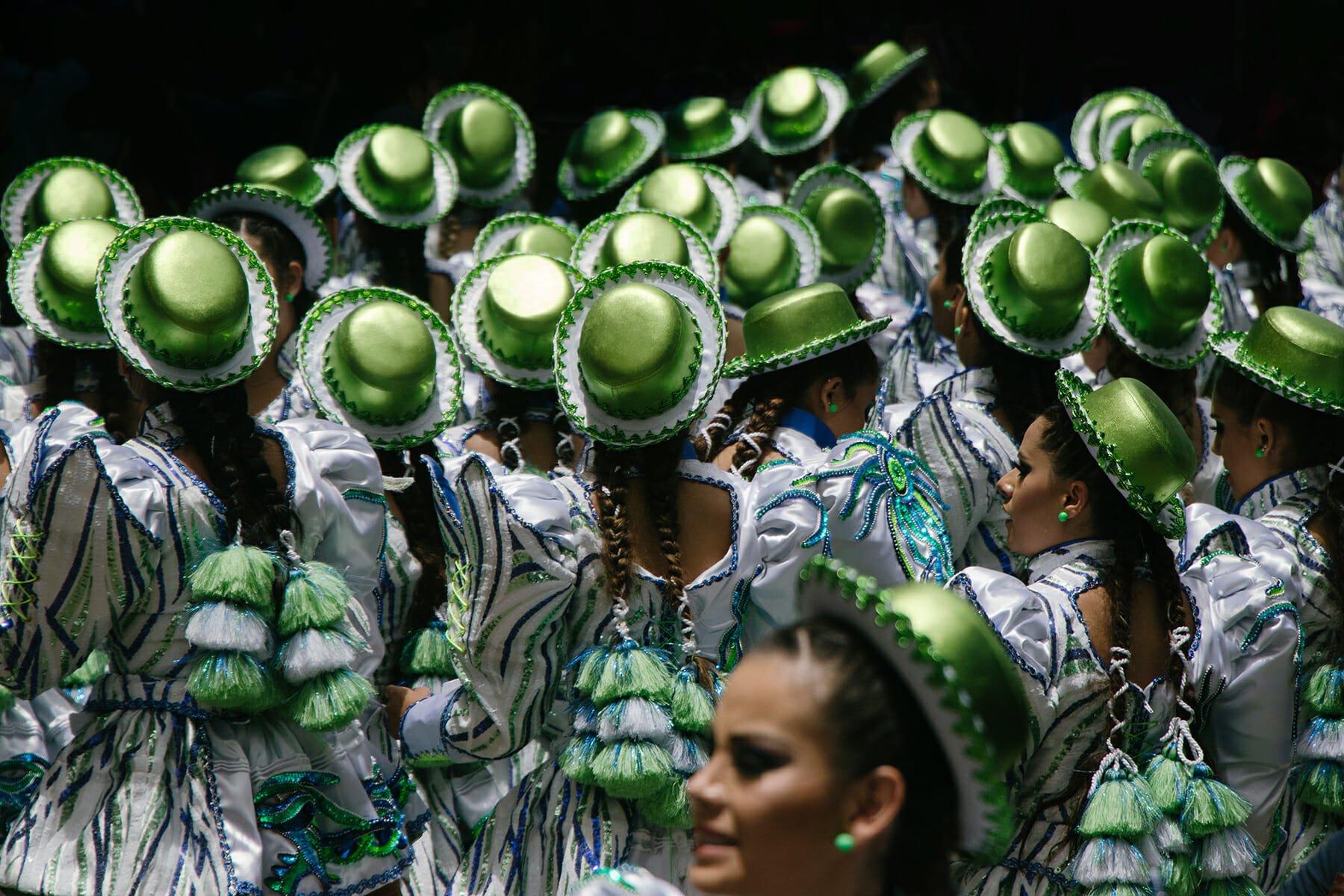
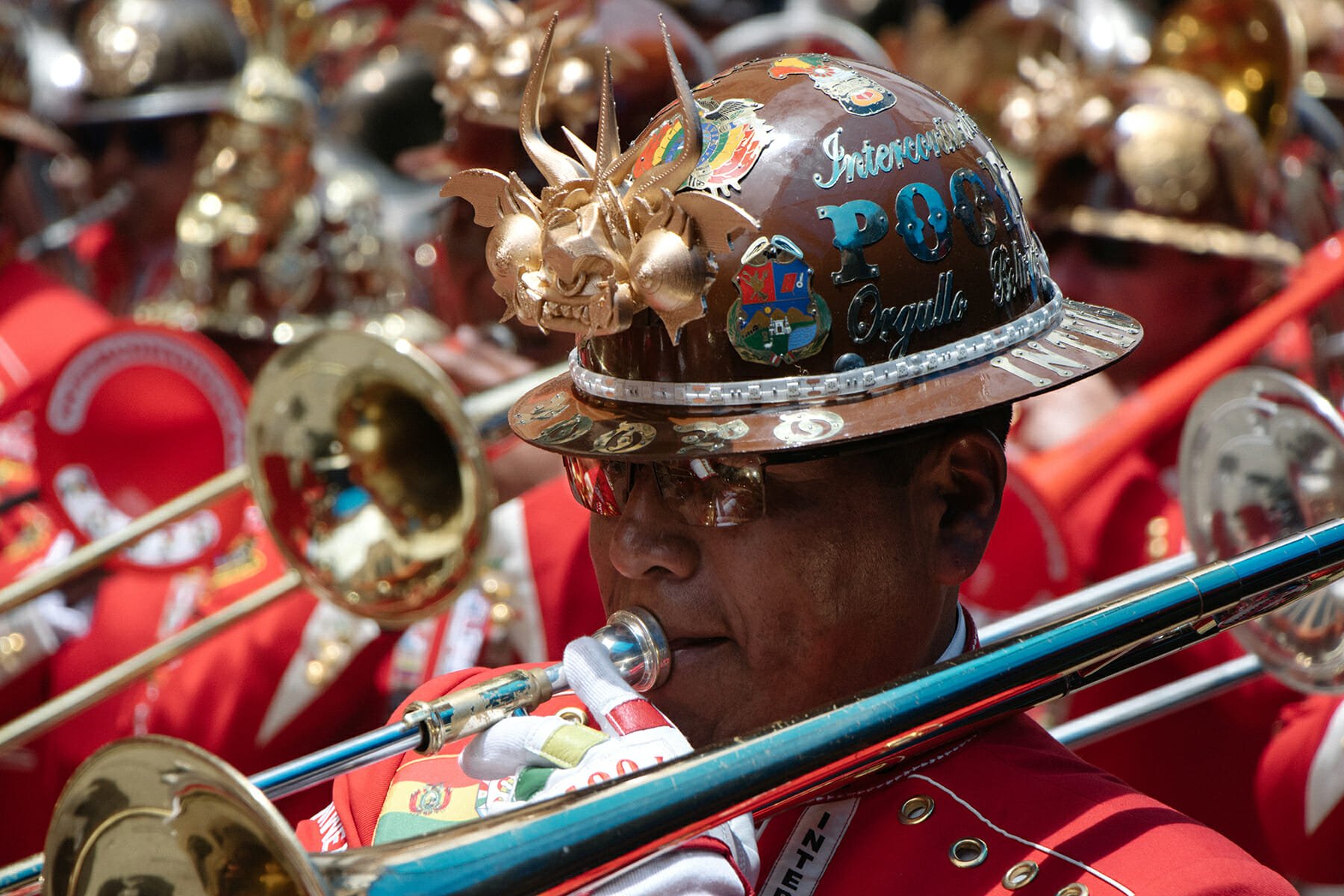
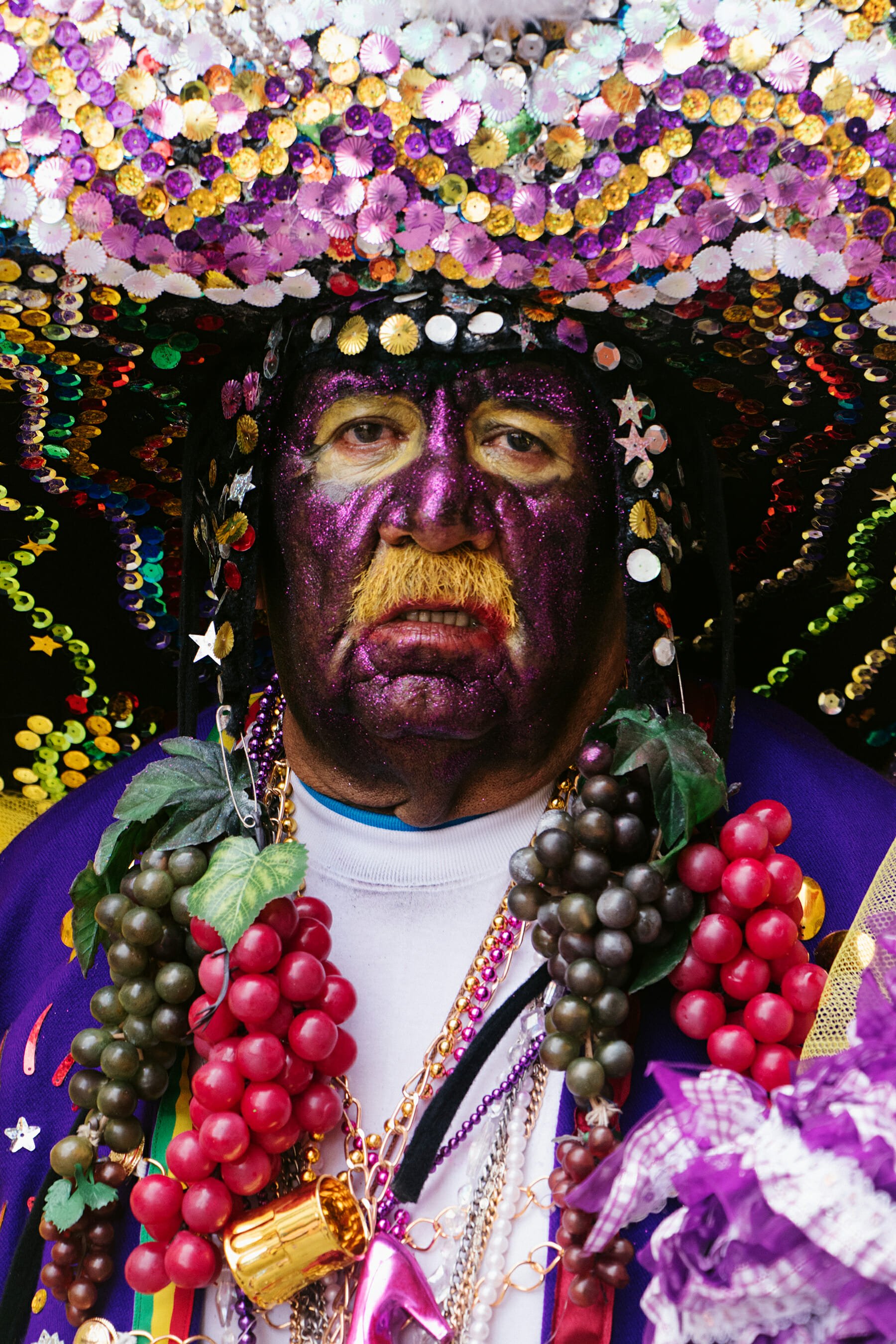
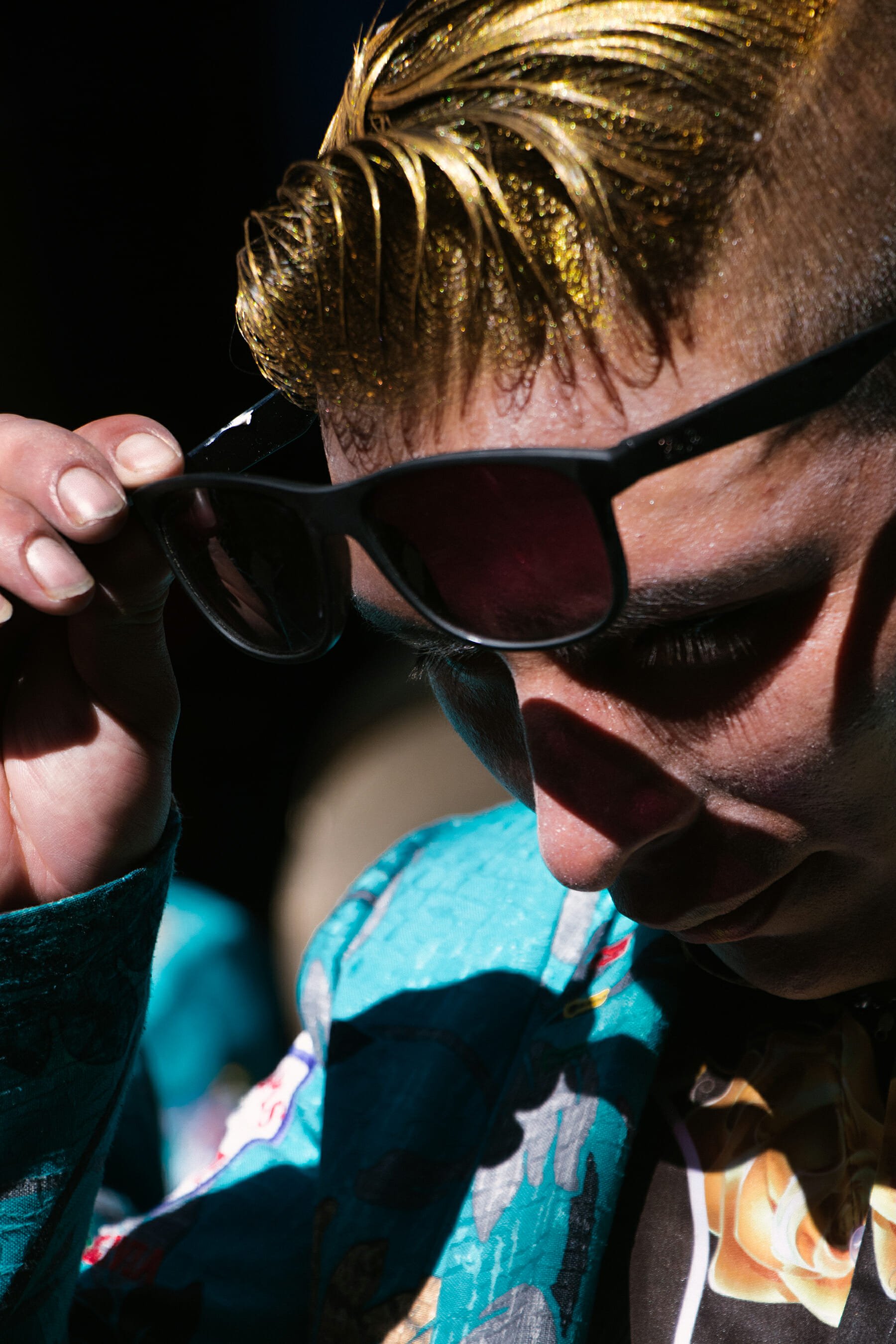
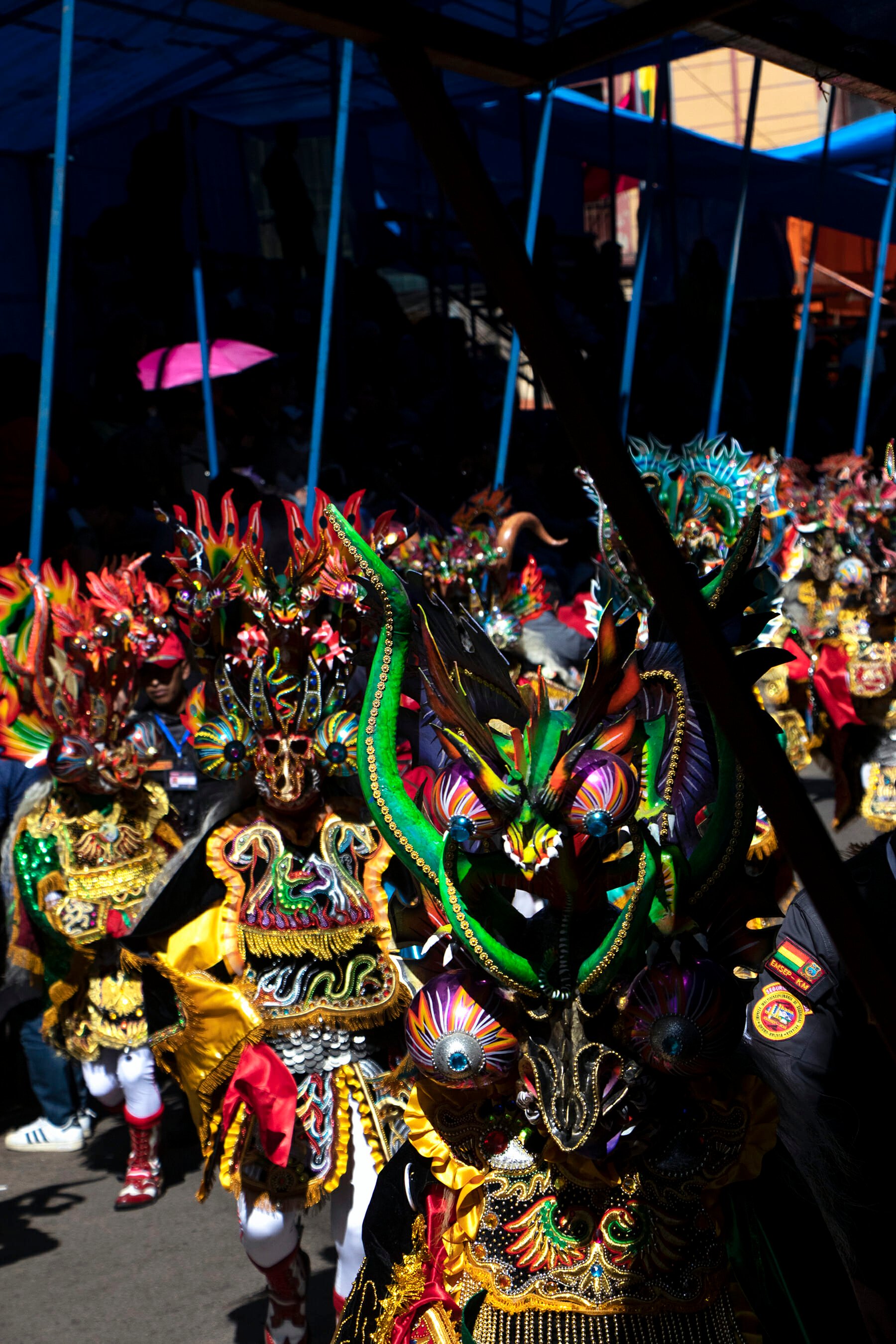
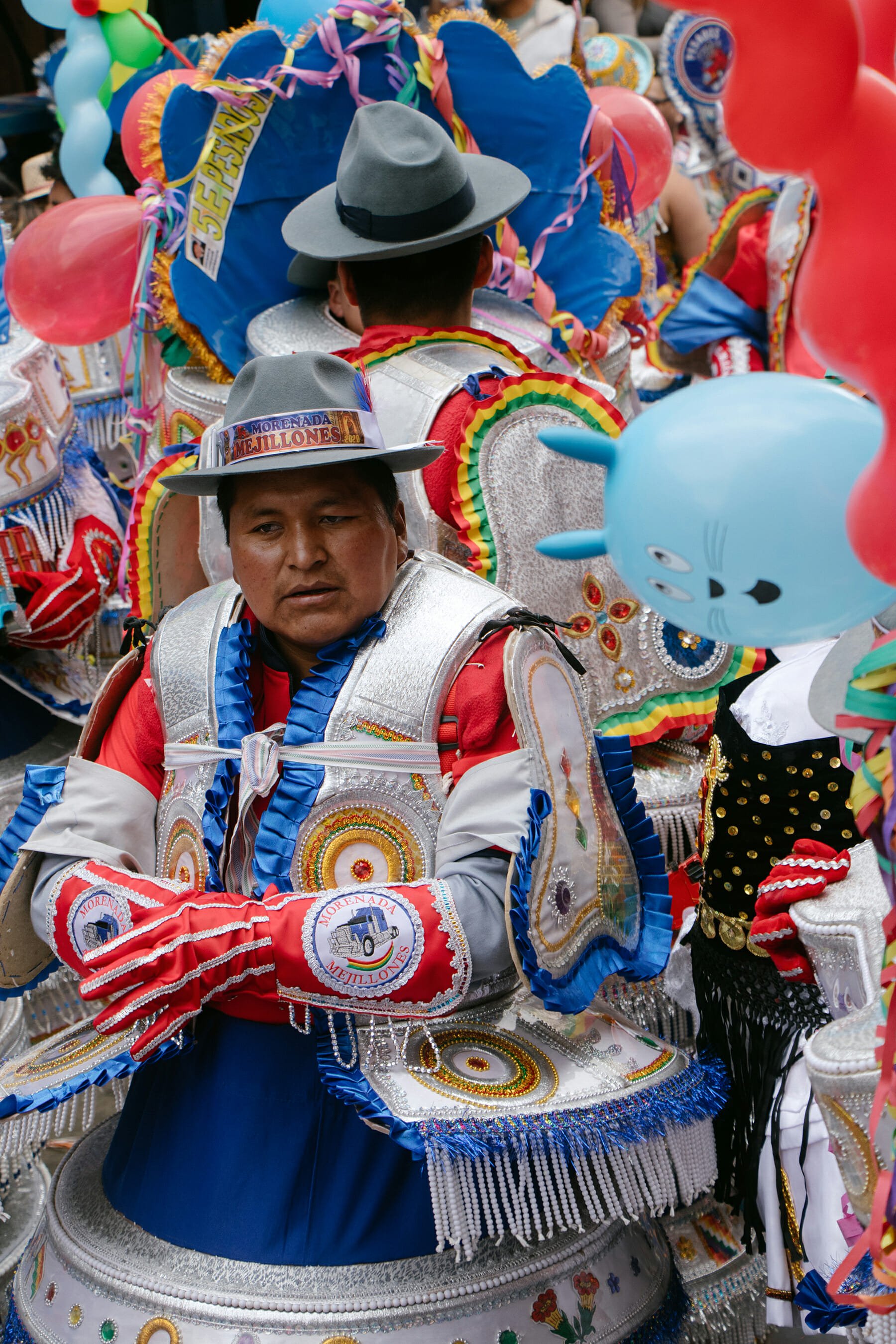
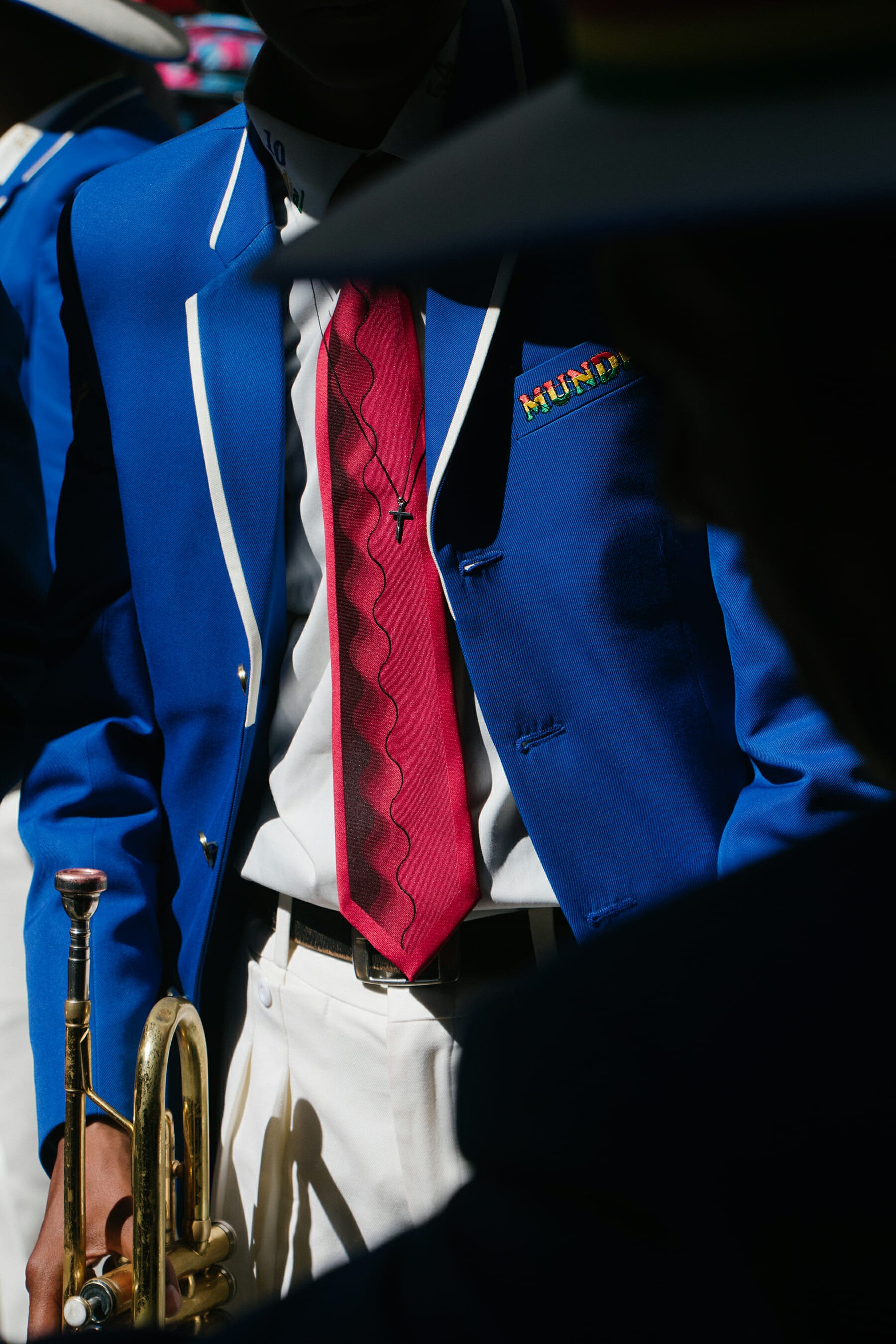
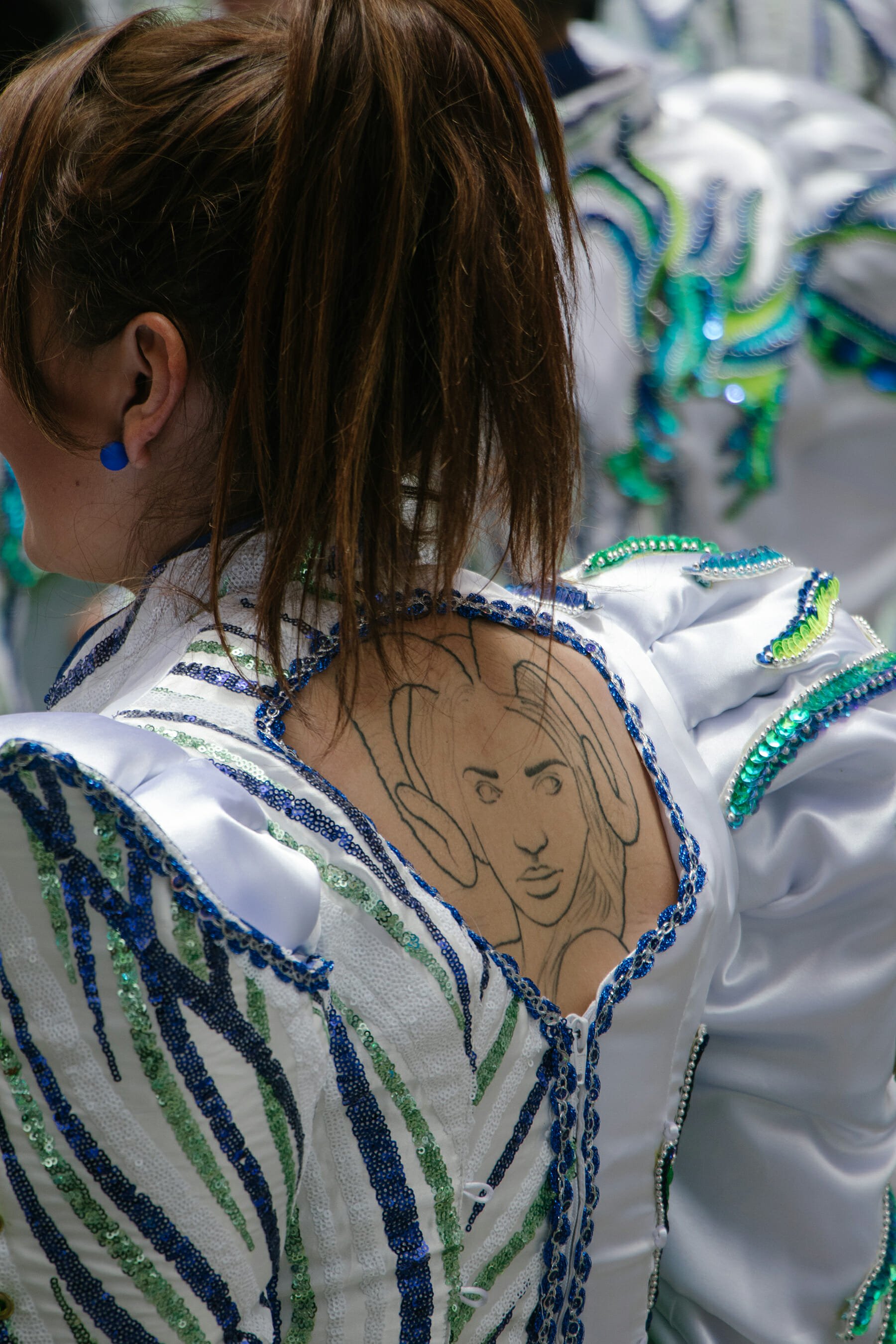
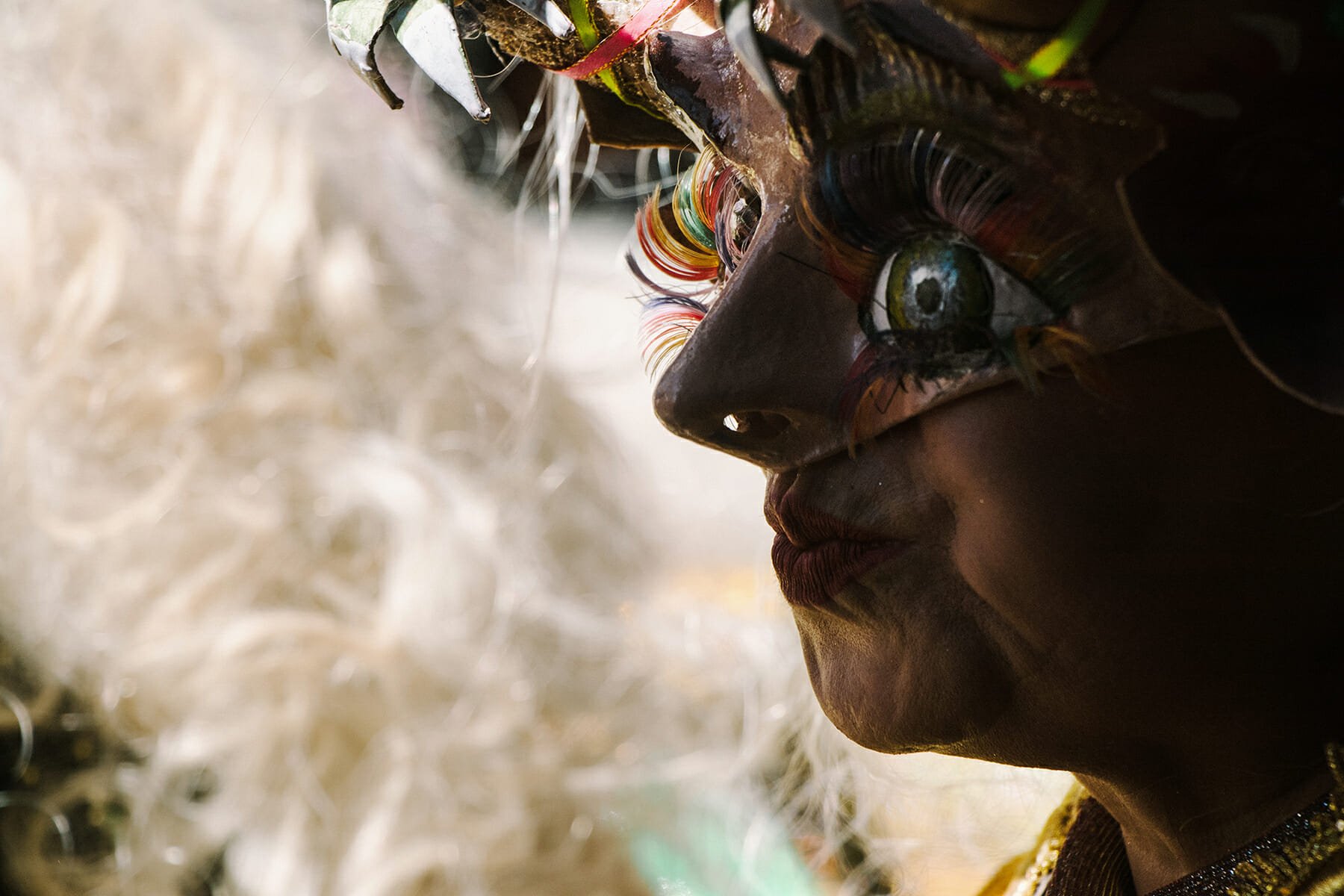
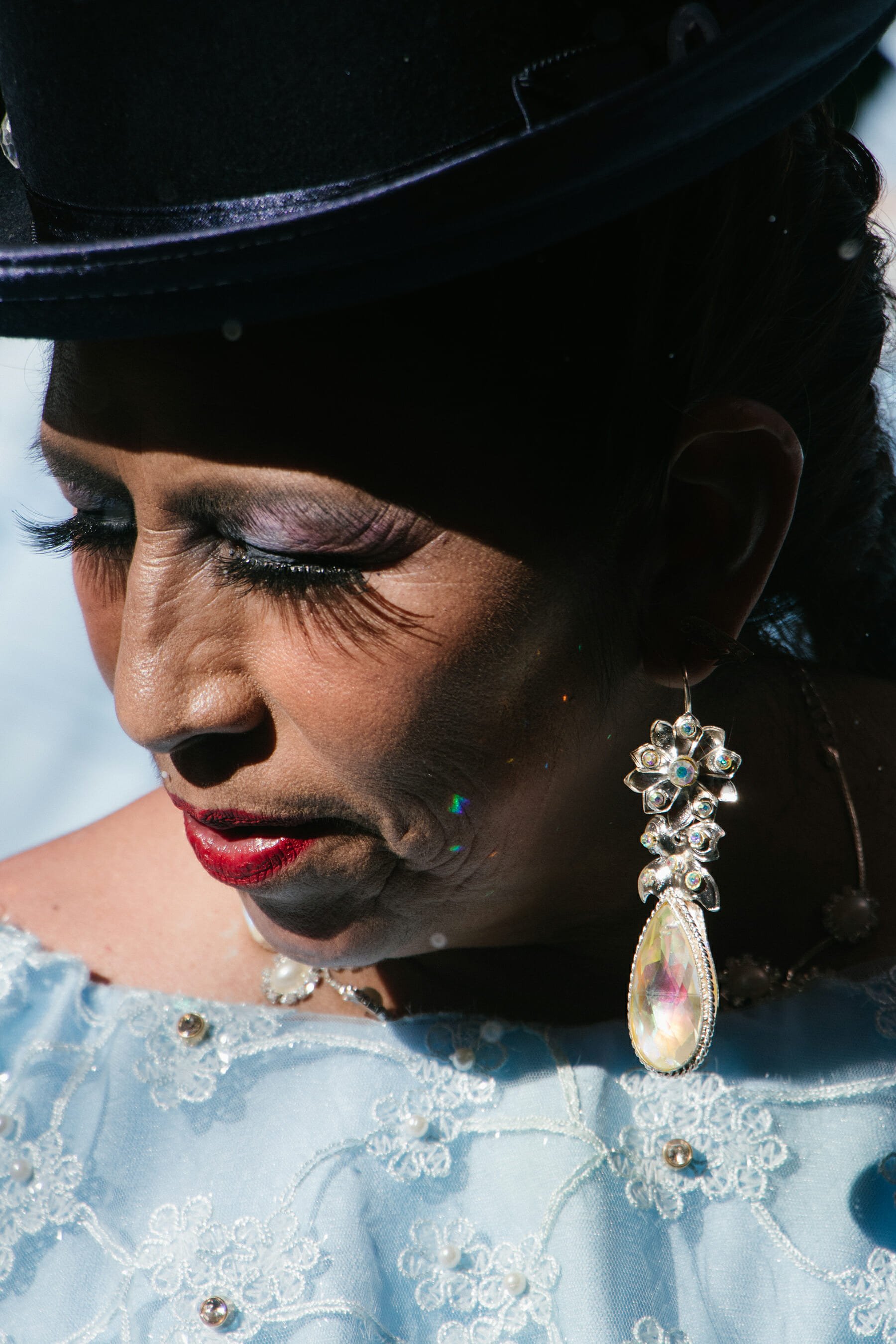
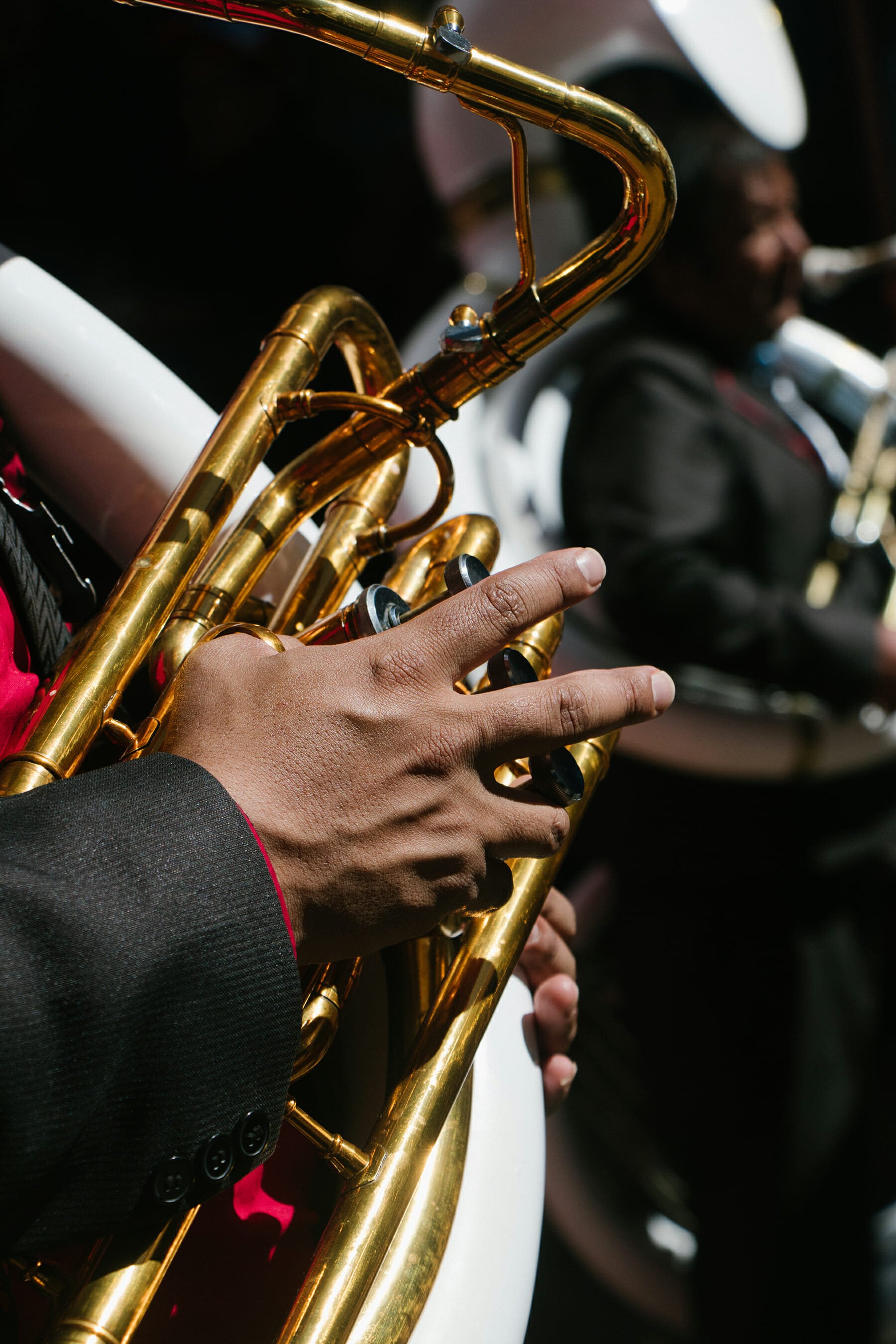
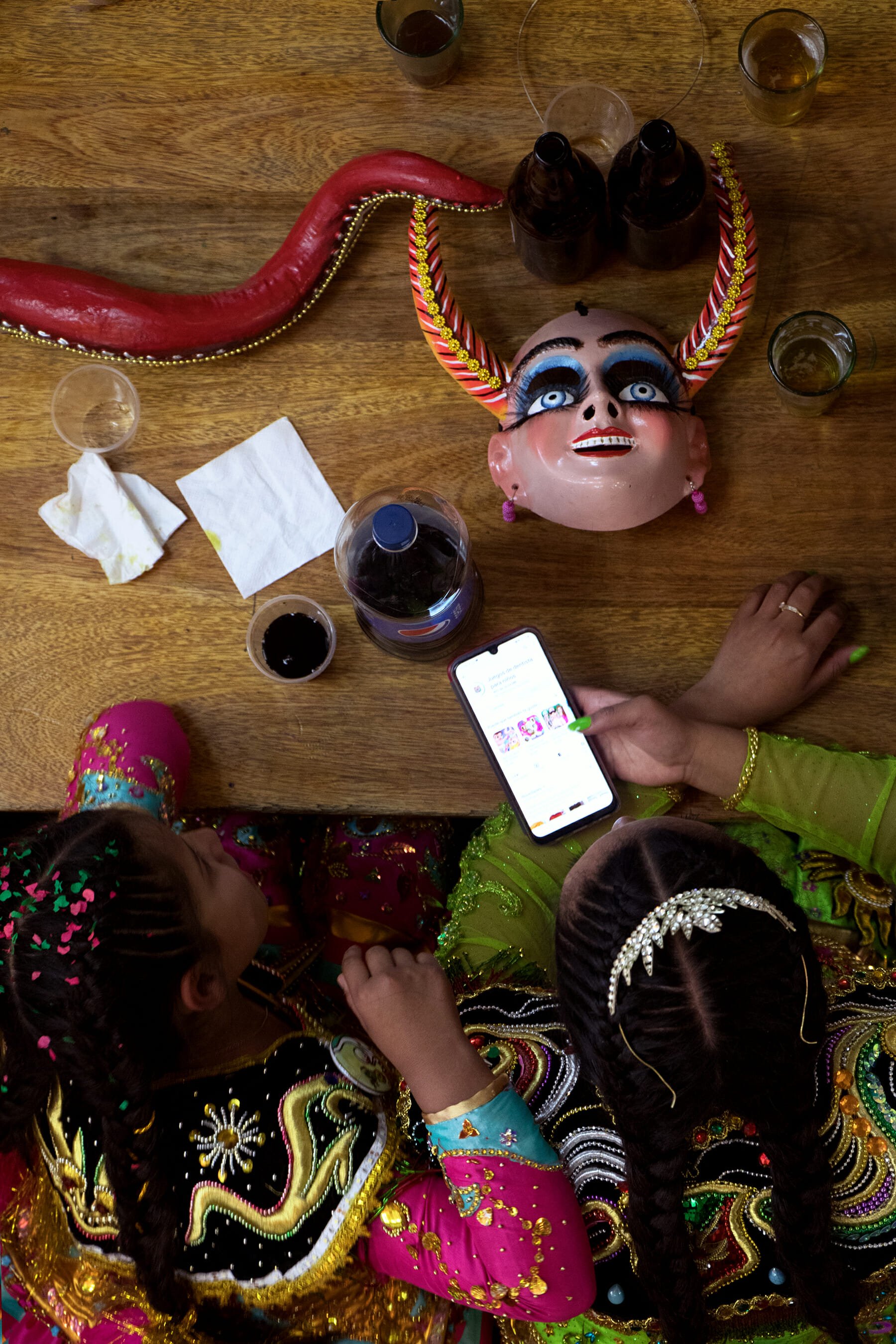
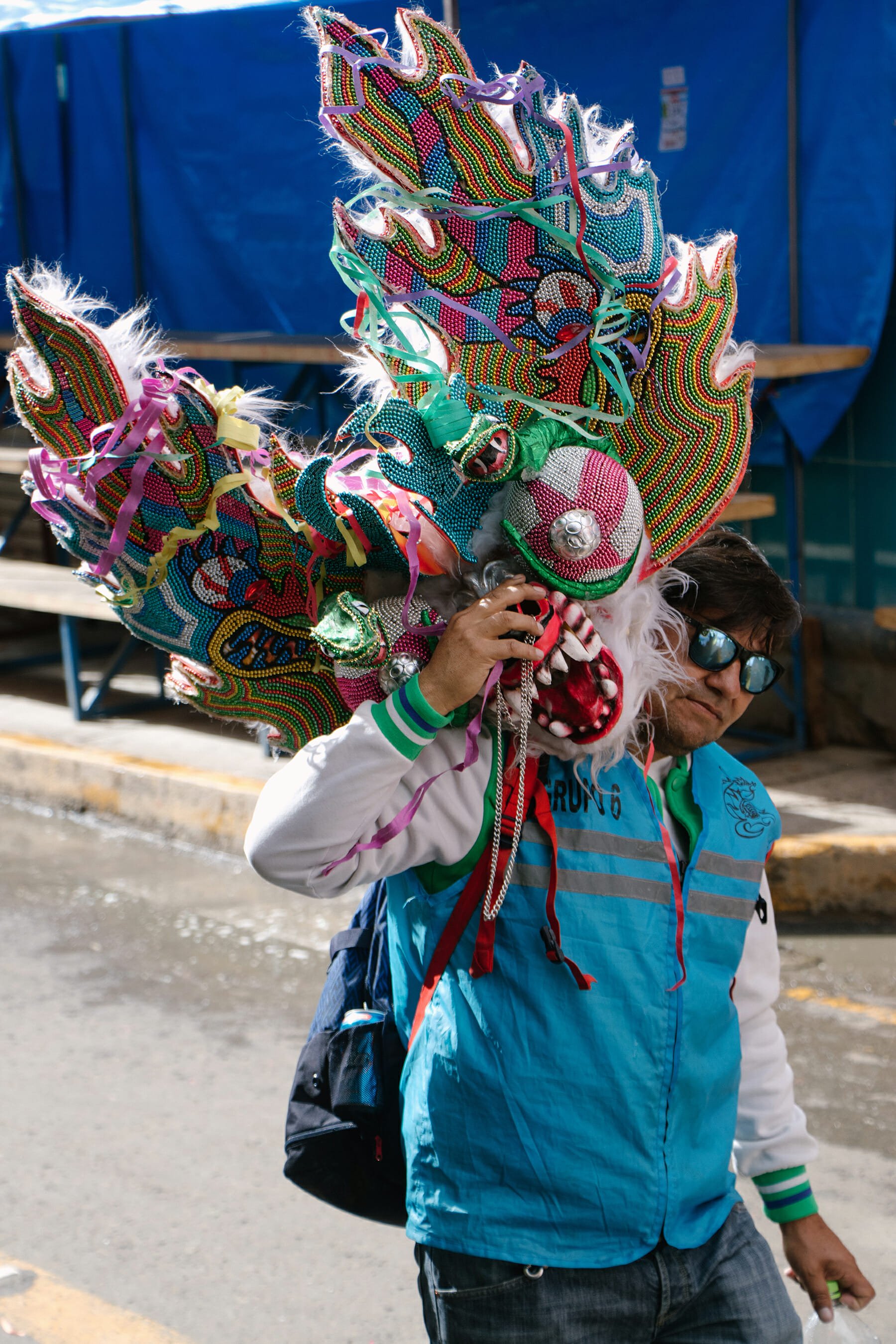
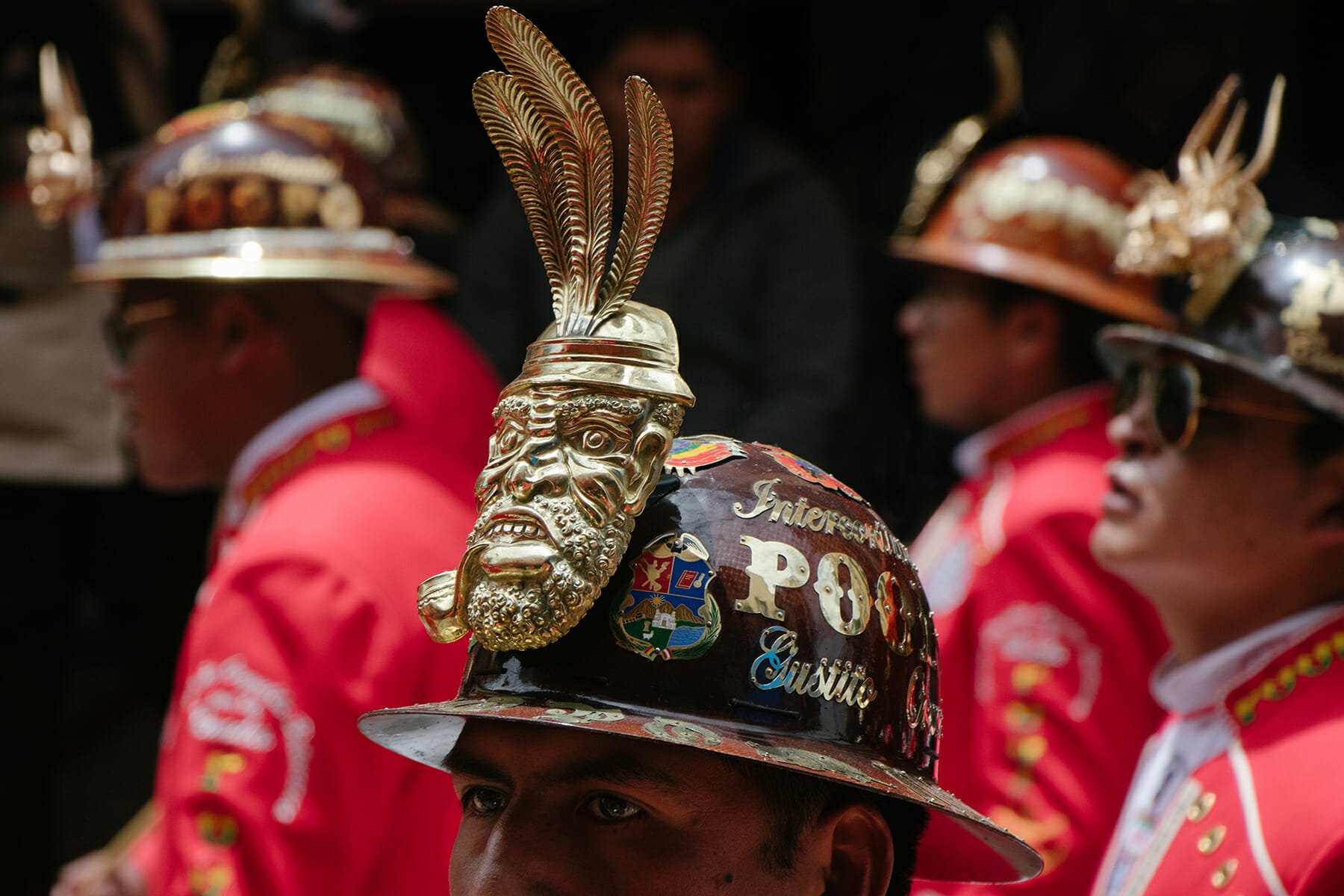
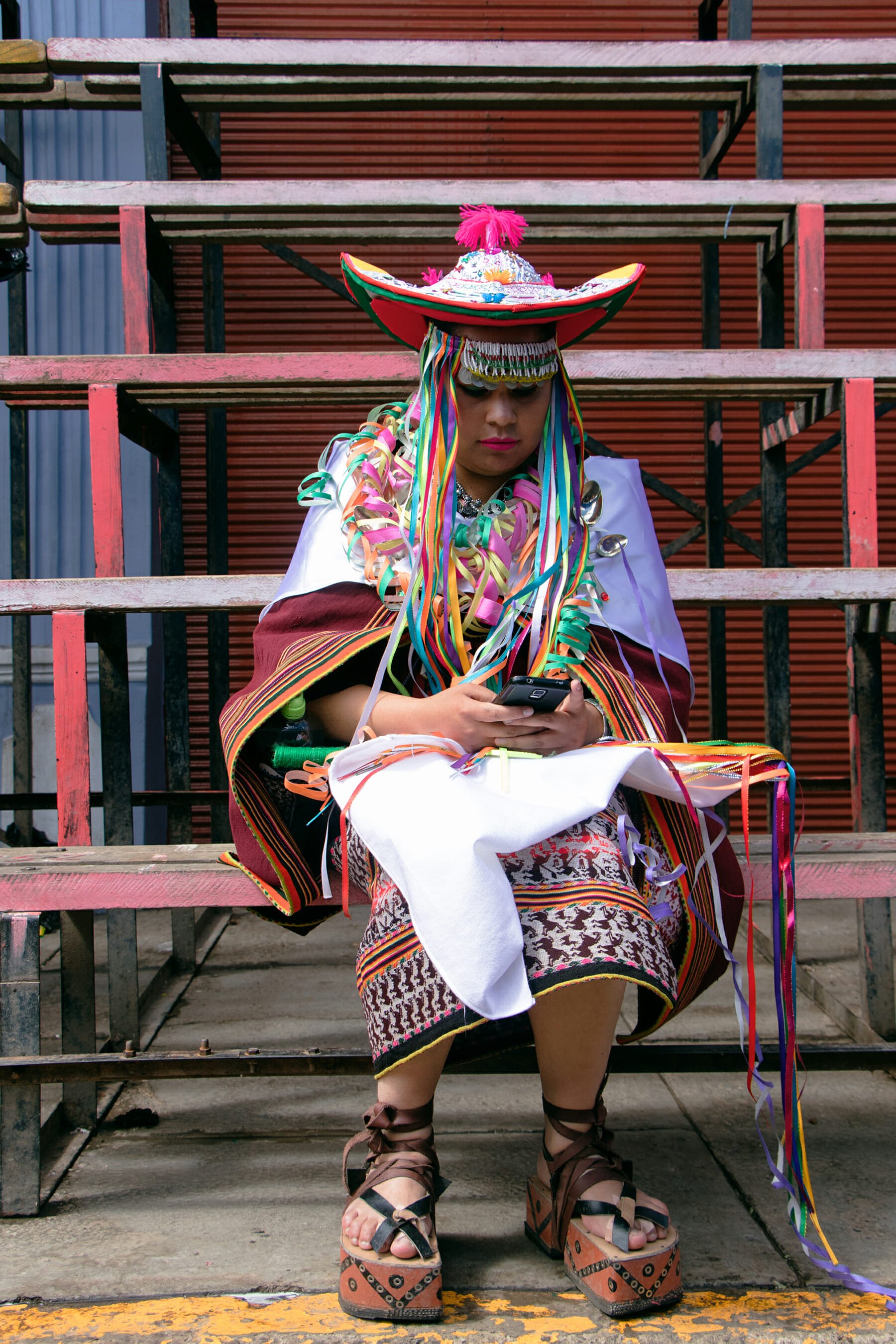
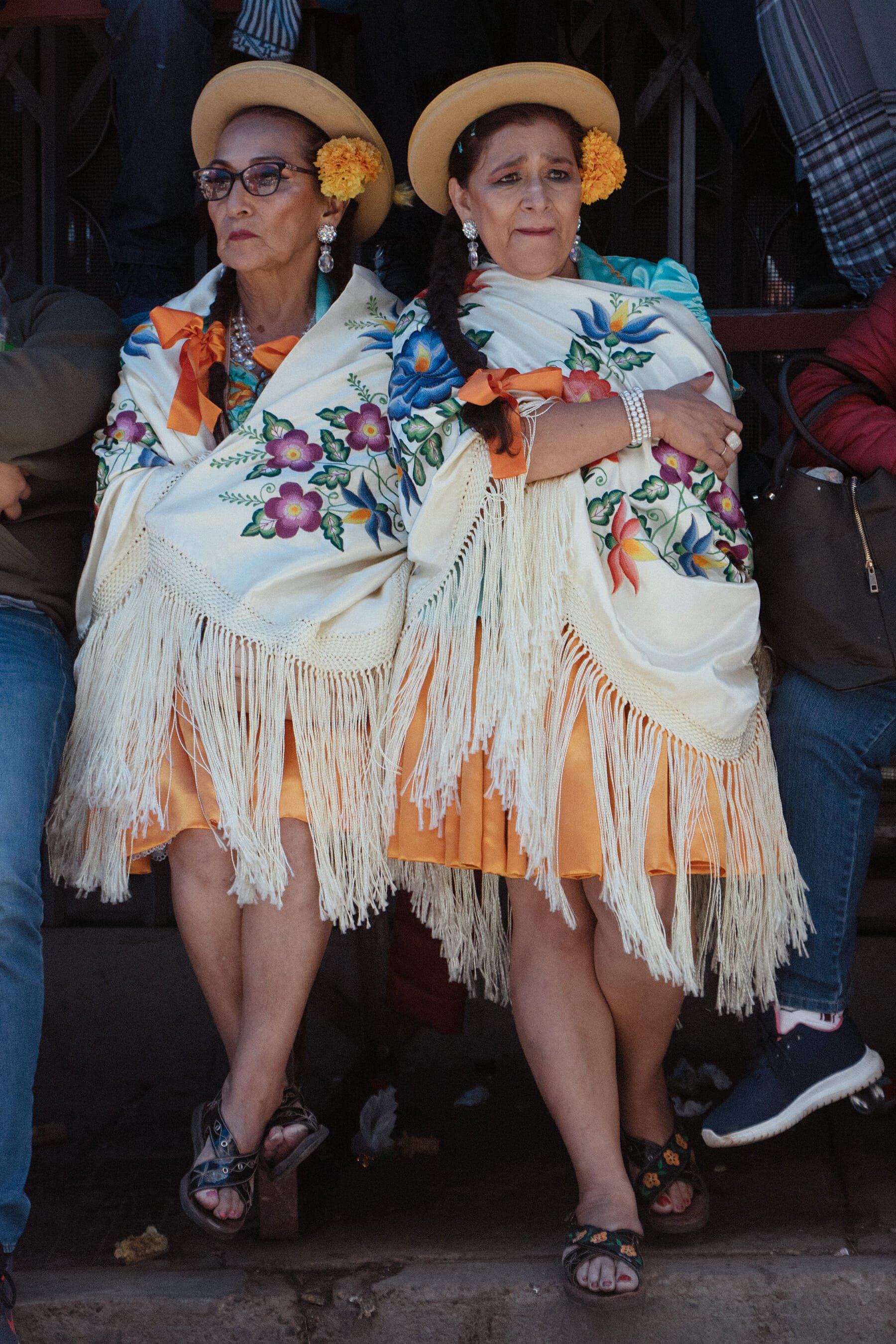
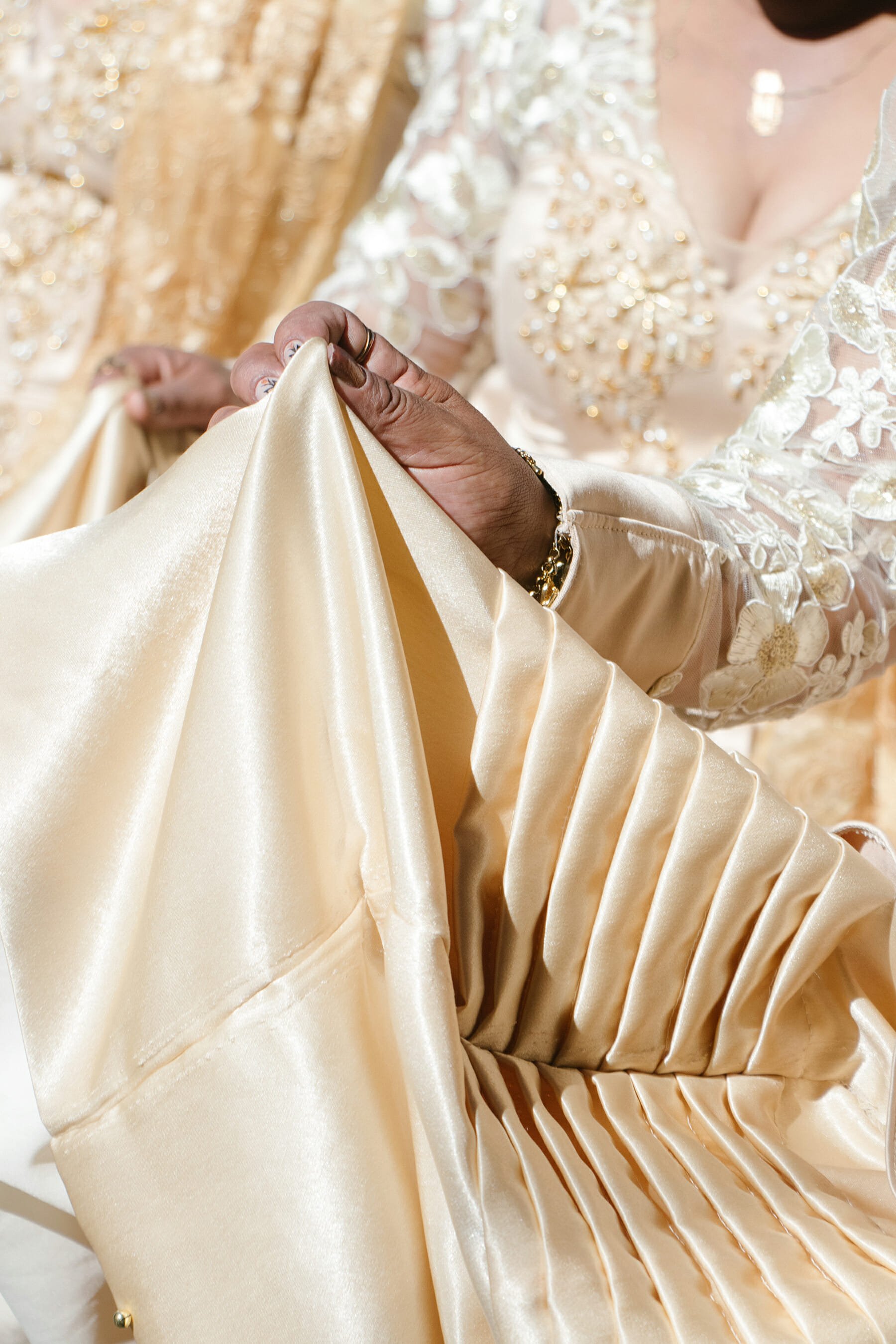
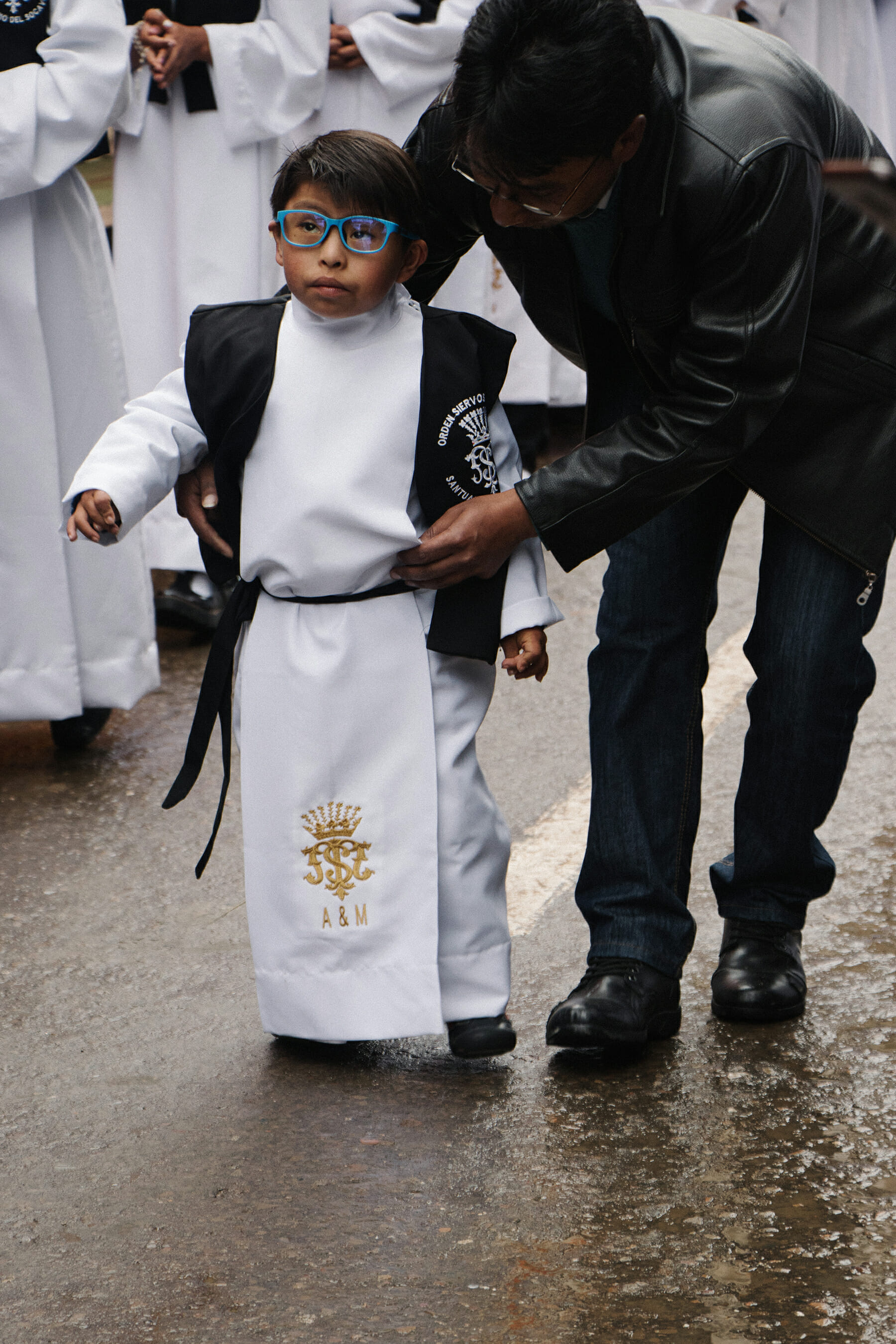
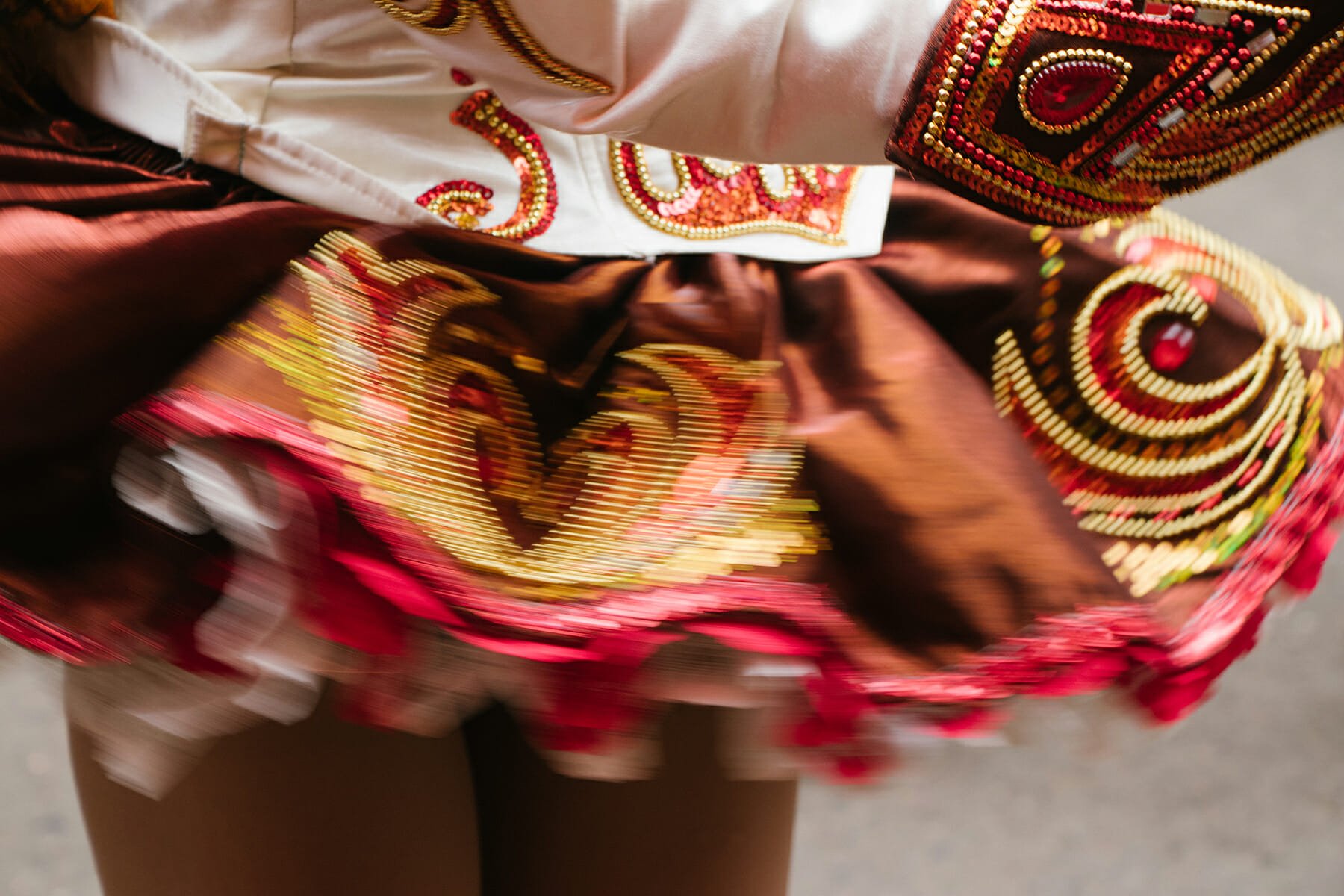
Historically, Oruro was a religious destination for the Aymaras and Quechuas who would worship Andean deities by celebrating Ito, the religious festival from which the Carnival is thought to have originated. When the Spanish colonizers banned their ceremonies, not wanting to renounce their beliefs, the natives observed their traditions under the guise of Christian liturgy. Today, the Carnaval de Oruro is a complex interlacing of Catholic ideals and ancient pagan expression where reality is intertwined with myth and new and old cohabit. With this series I’m exploring this liminal space. These images were captured at this year’s procession and are meant to reflect on the interculturality and syncretism that exist in Bolivian society. Context is deliberately obliterated to let the dancers, musicians and devotees assume center stage. Still, the subjects remain anonymous, present but fragmented. Details in their gestures and garments reveal the convoluted coexistence of cultures in present-day Bolivia. It is for the viewer to devise the intricate network between the hidden and the visible, to discover the diverse connections between individual and collective unconscious. And just like with religion, fabulation does not lessen its impact. On the contrary, it gives everything a hyperreal intensity.
About the photographer