More than Frybread
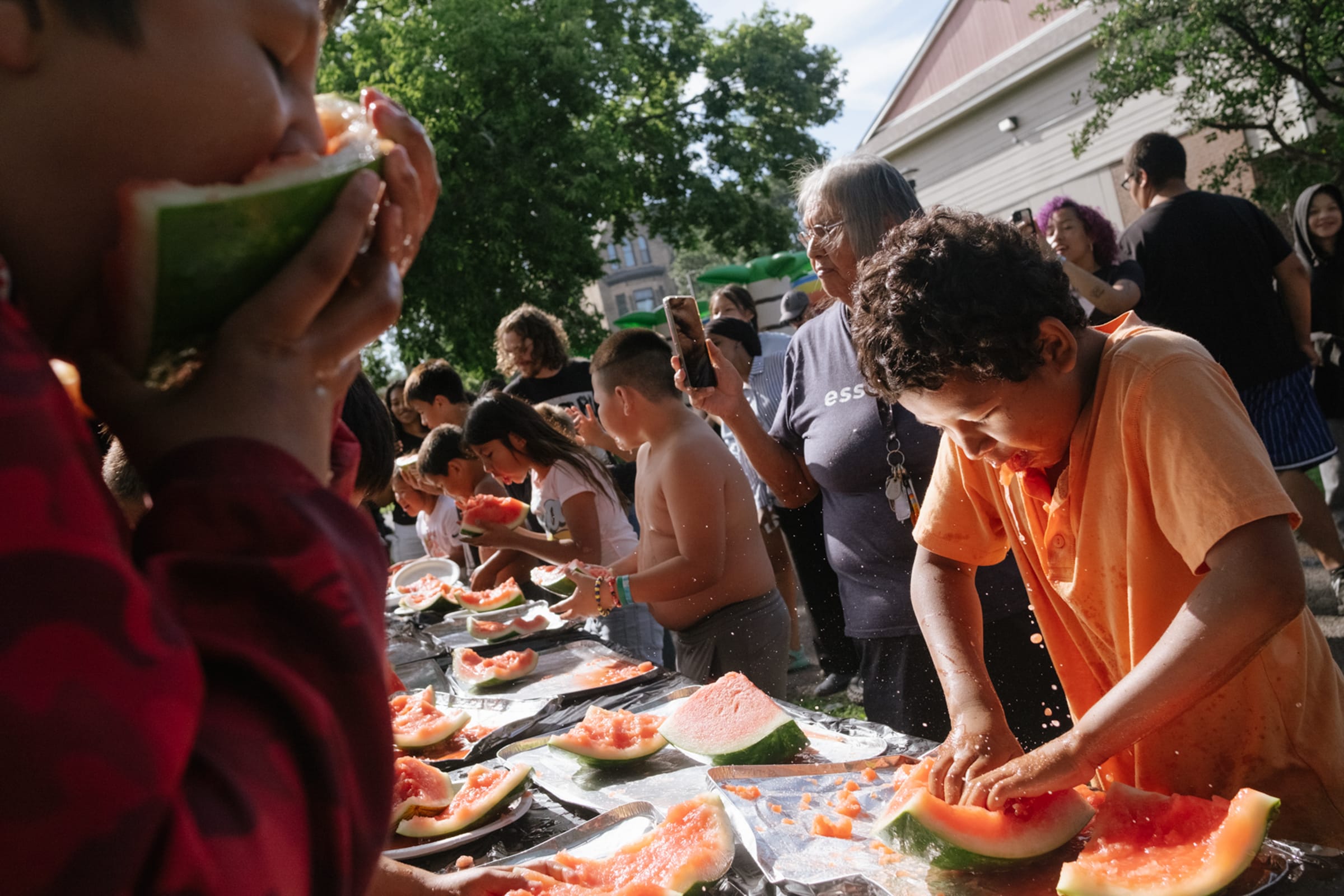
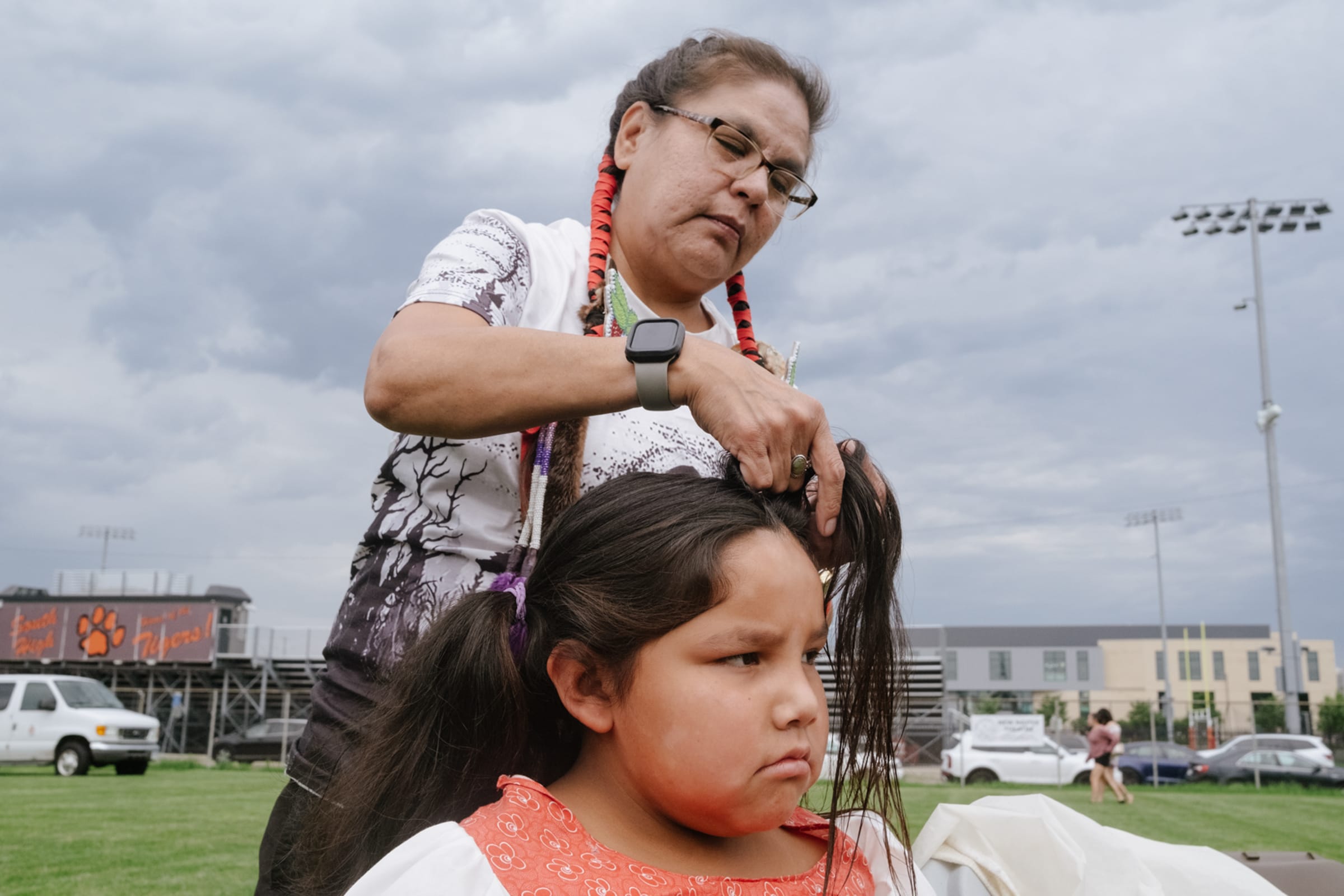
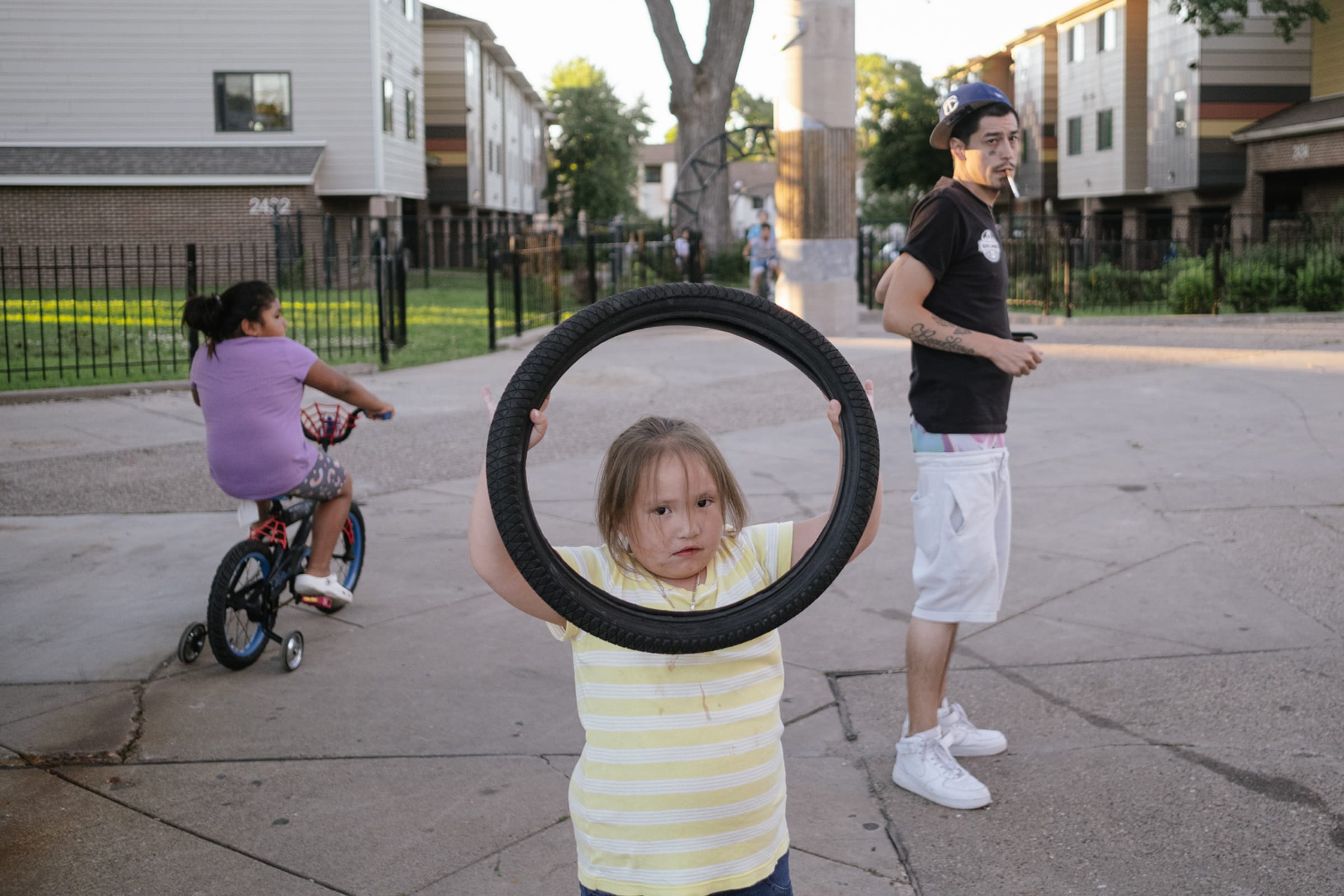
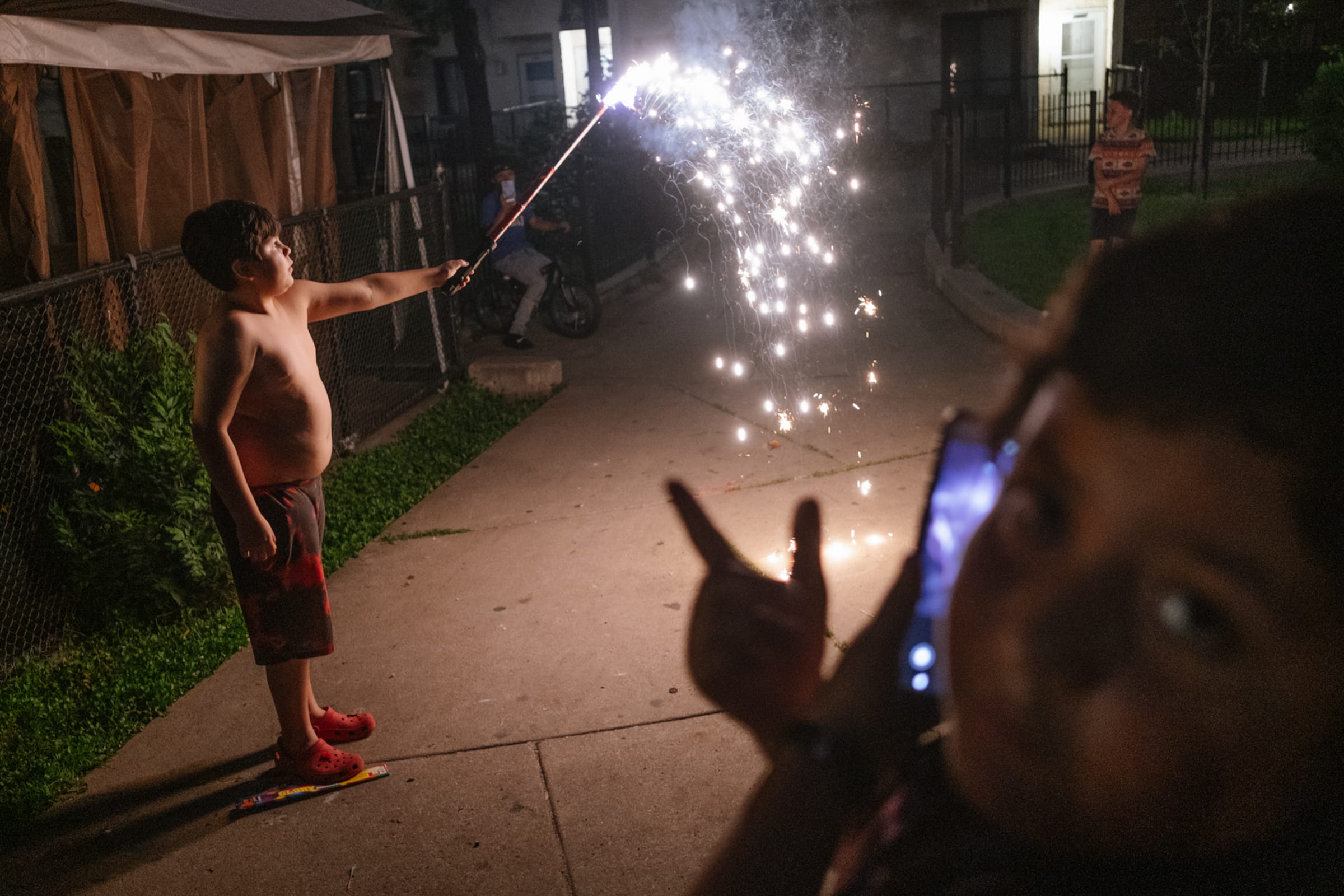
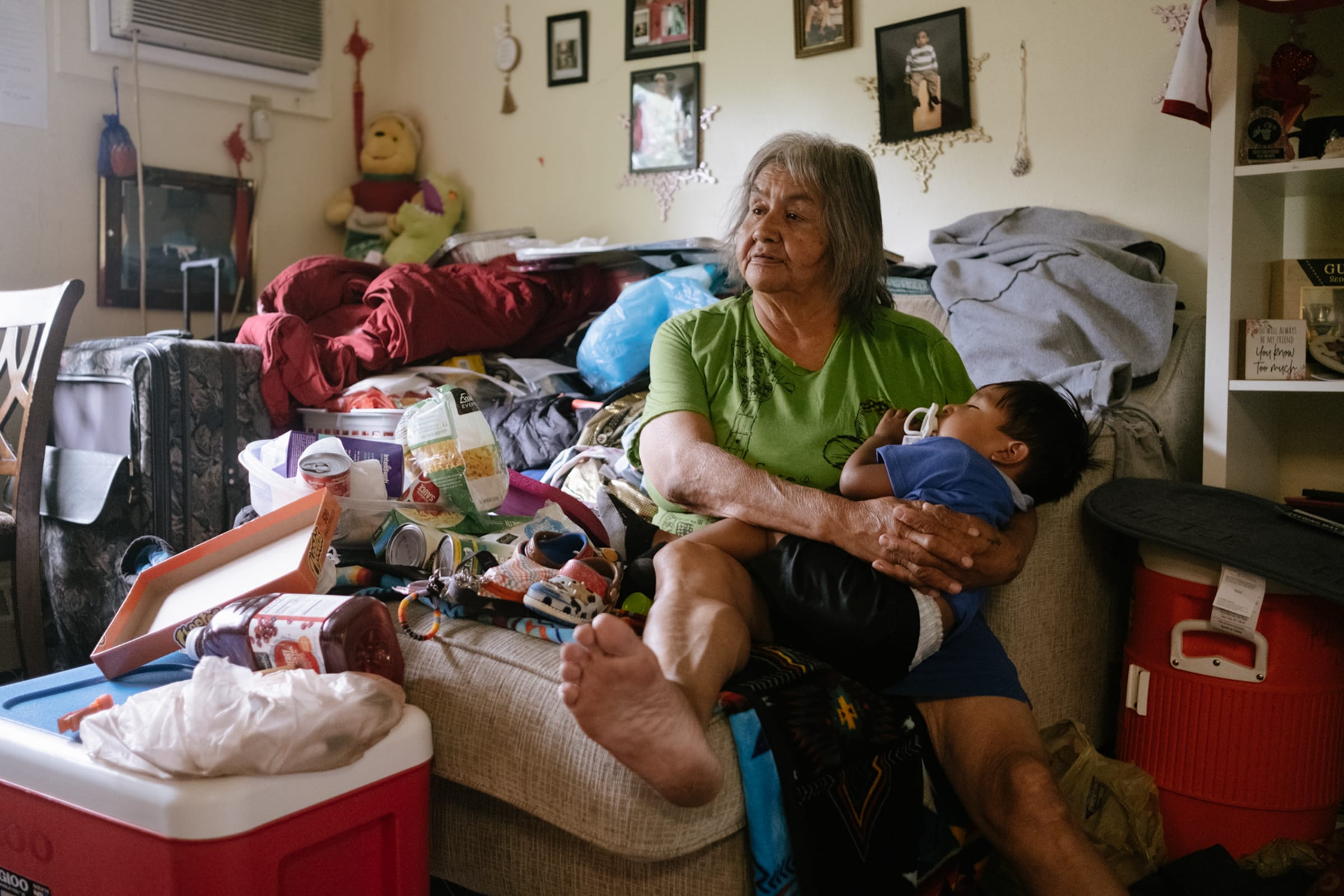
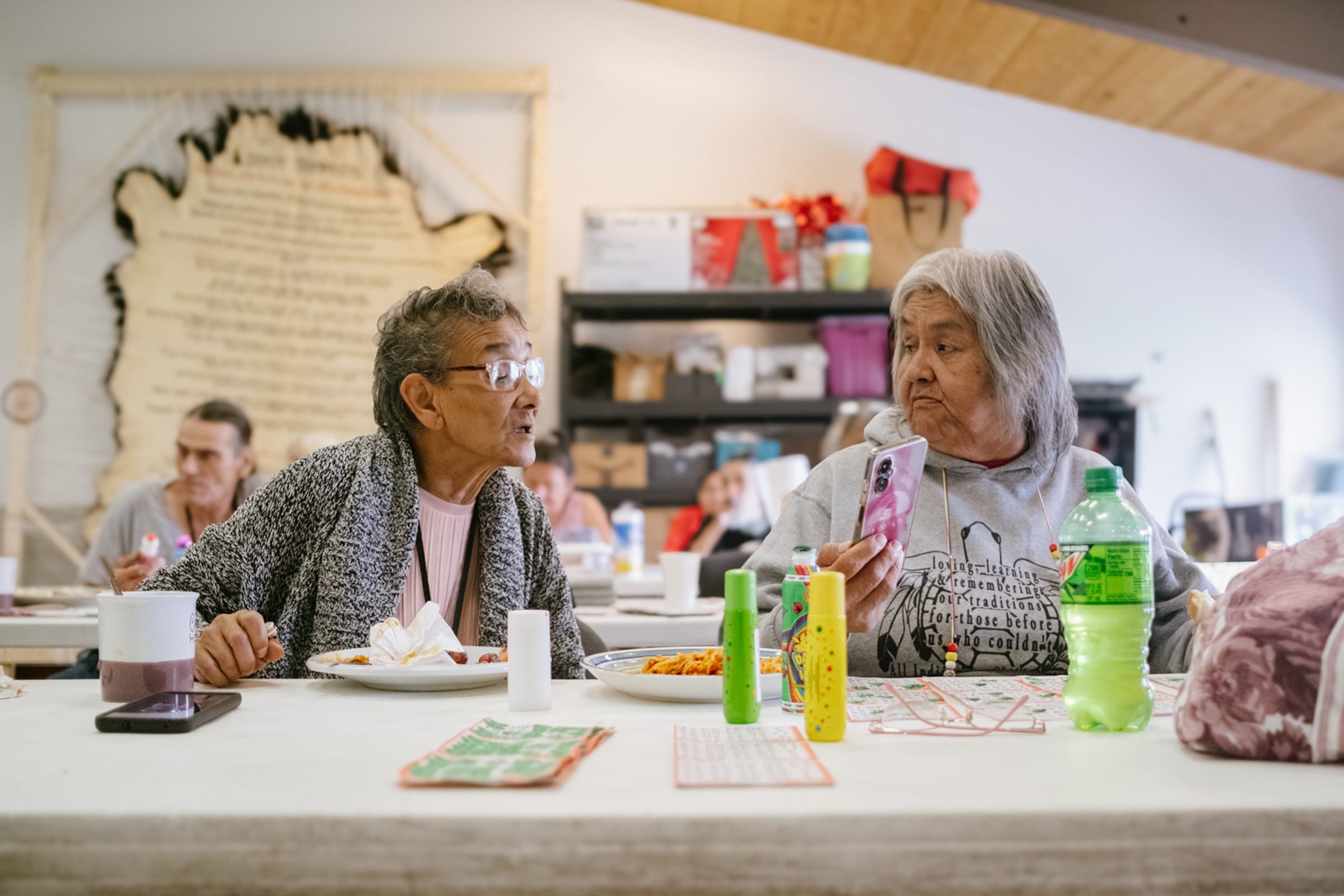
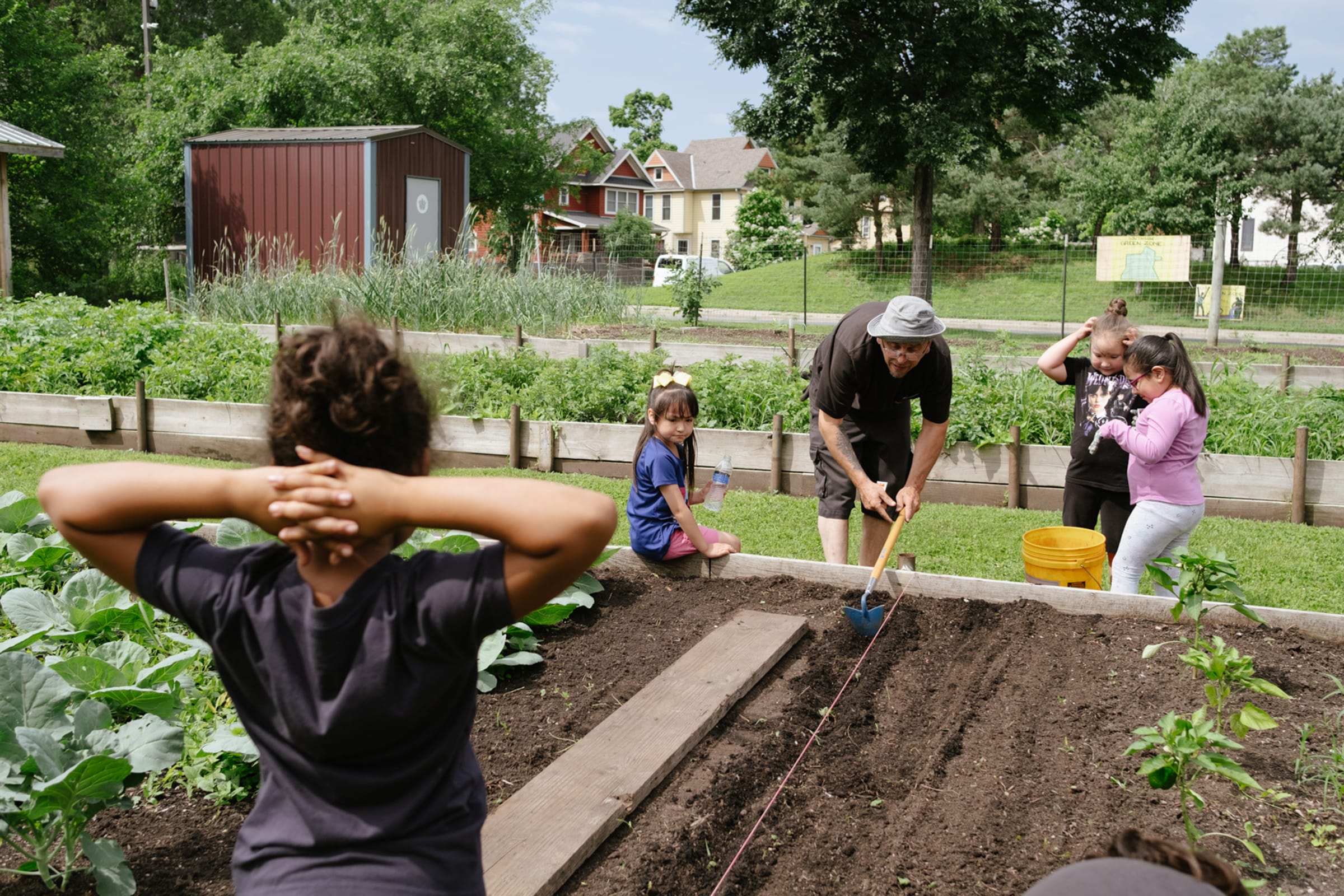
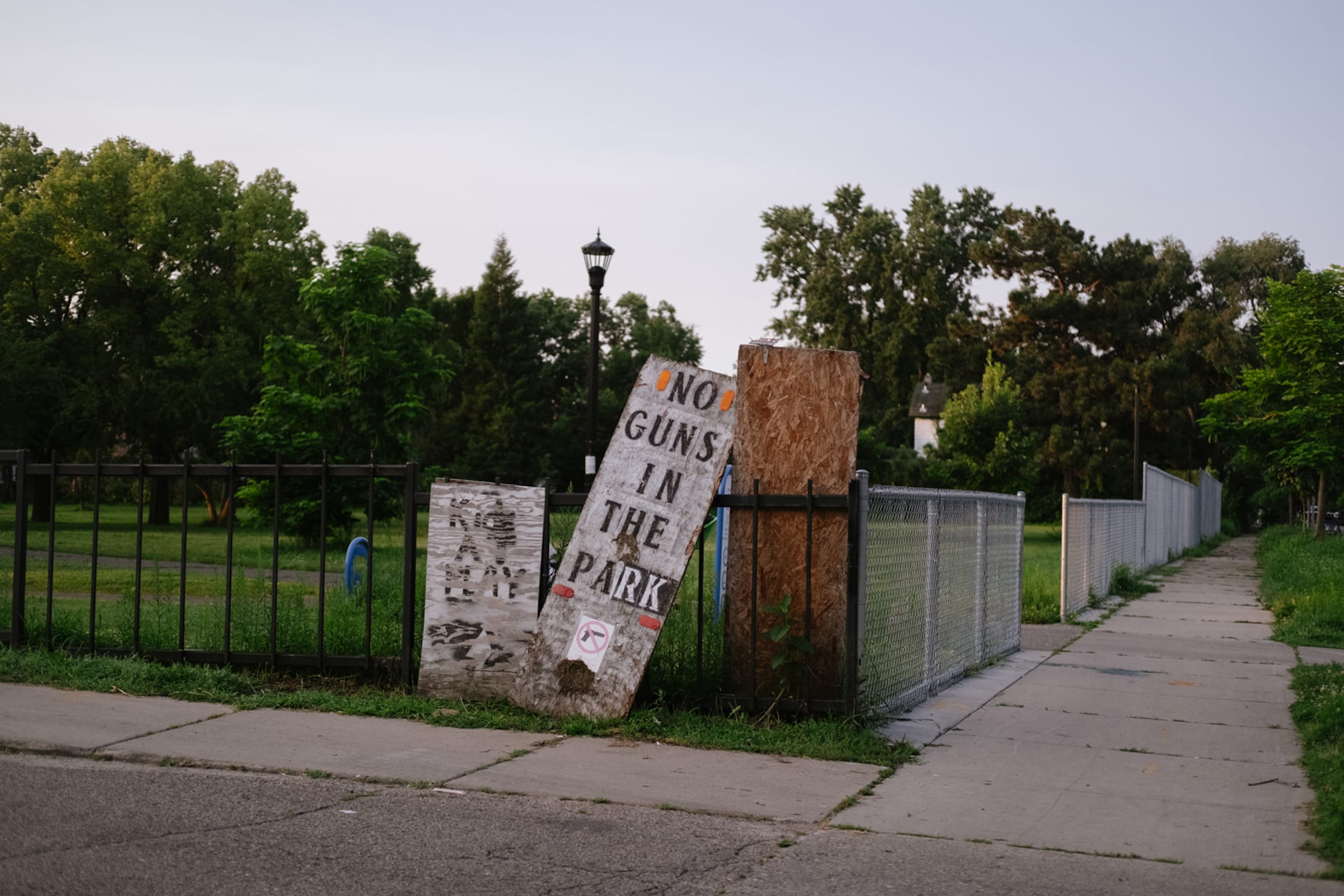
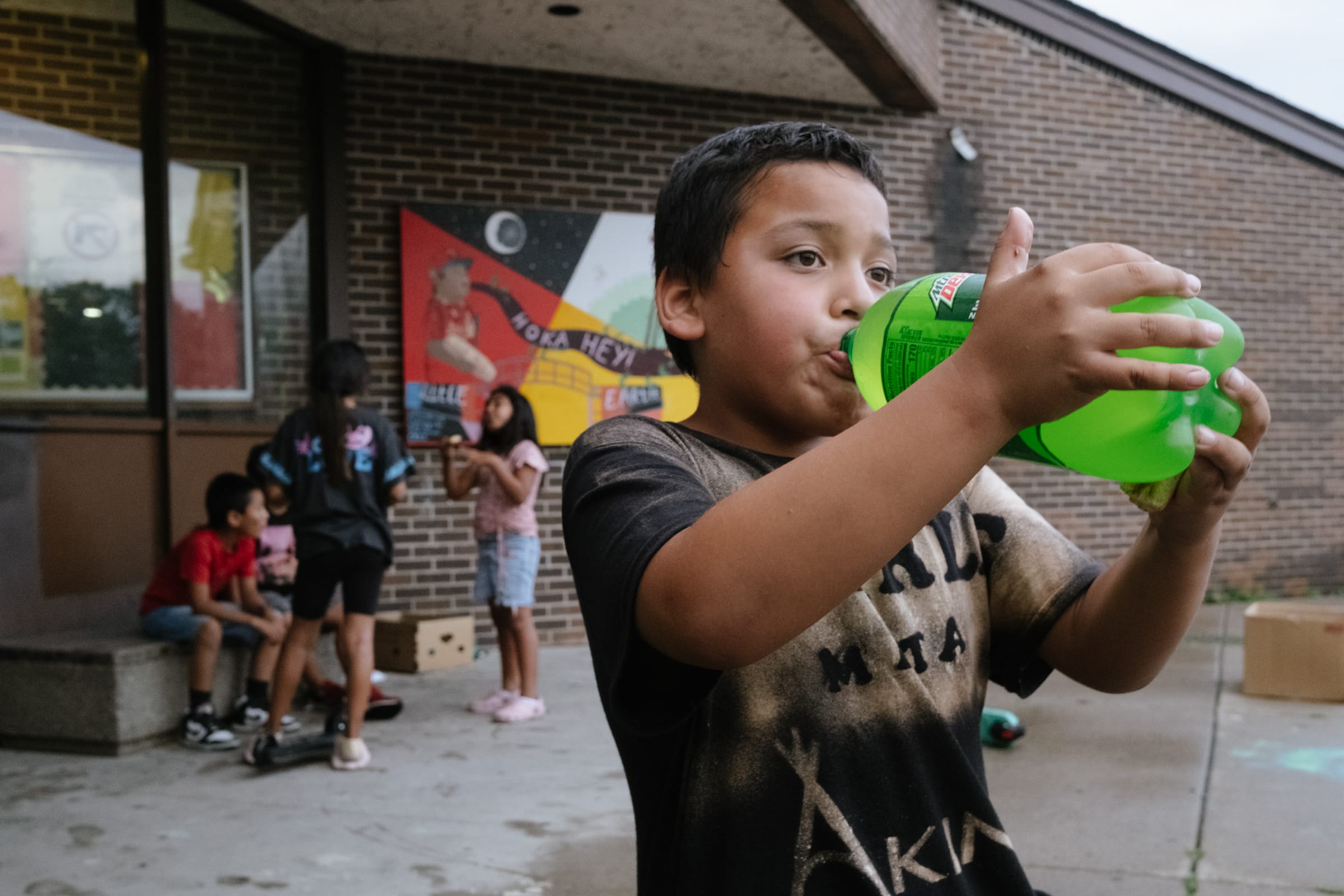
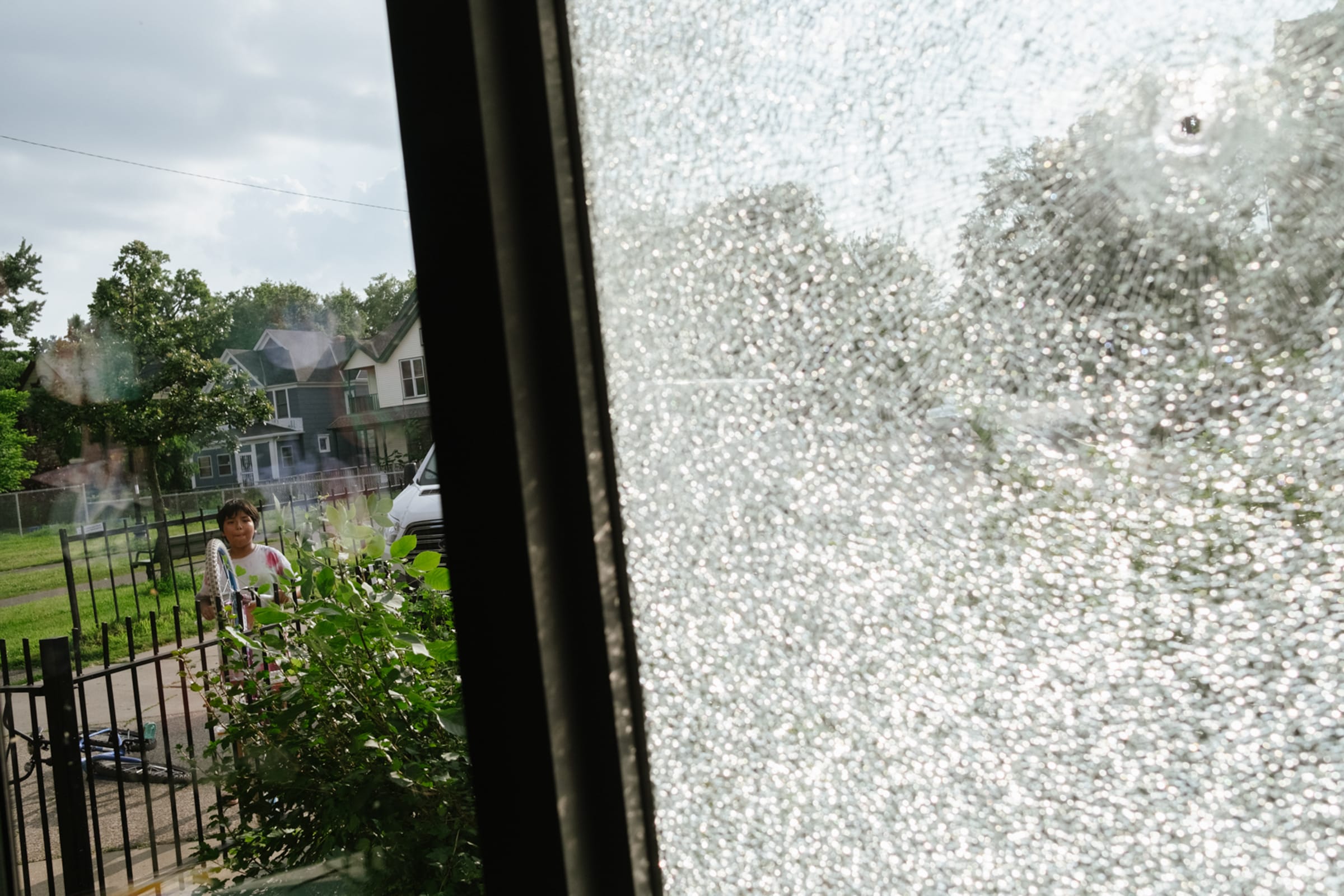
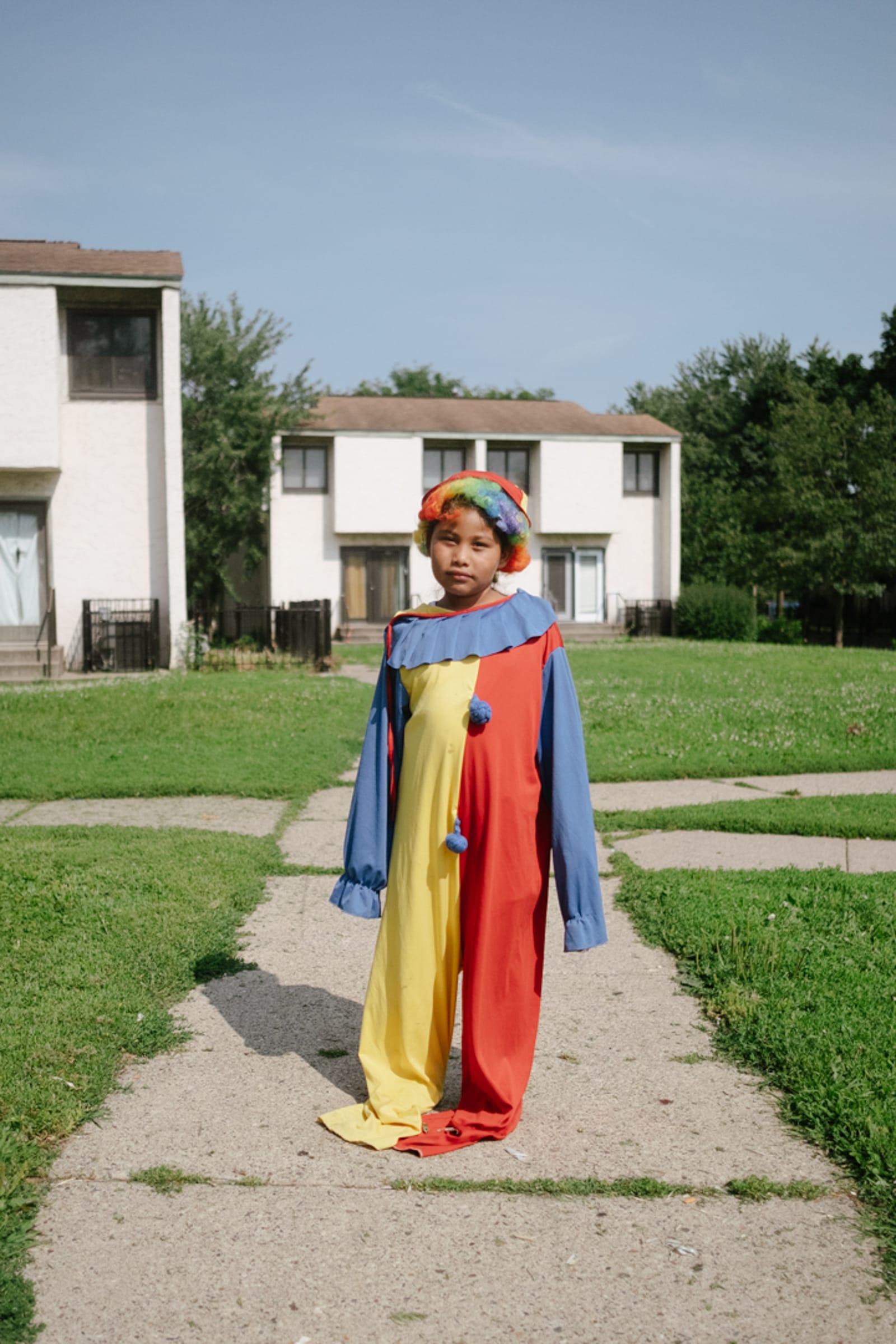
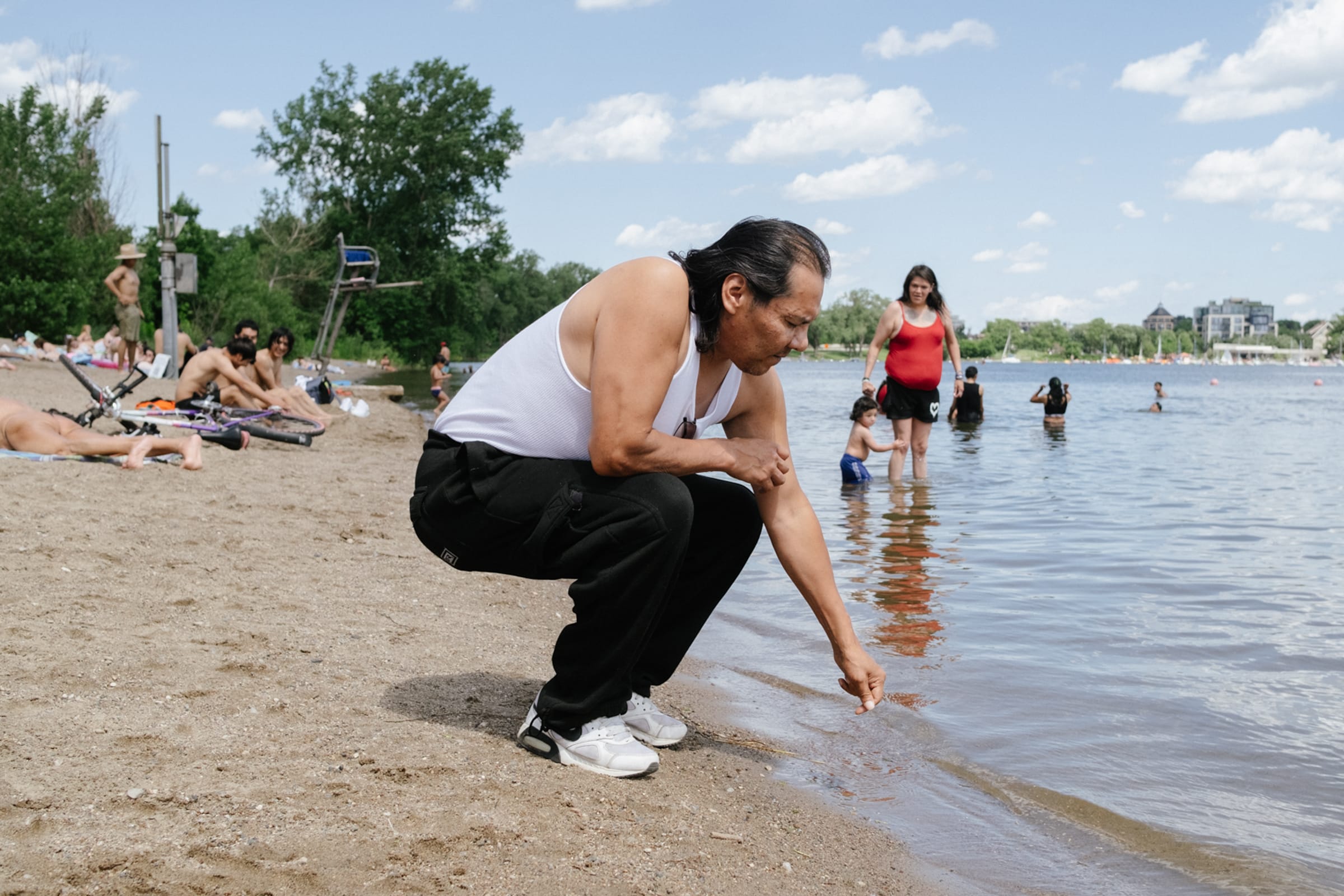
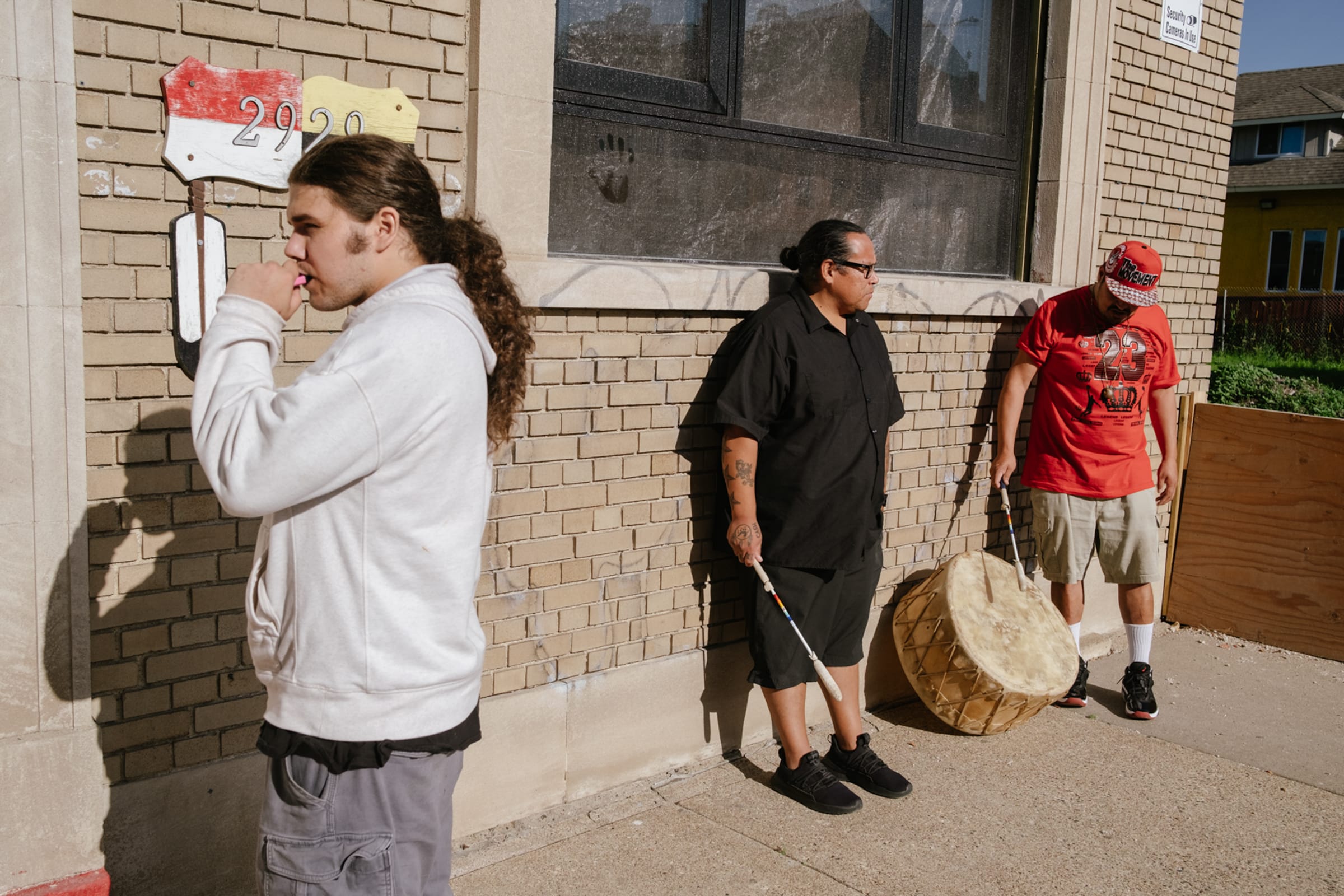
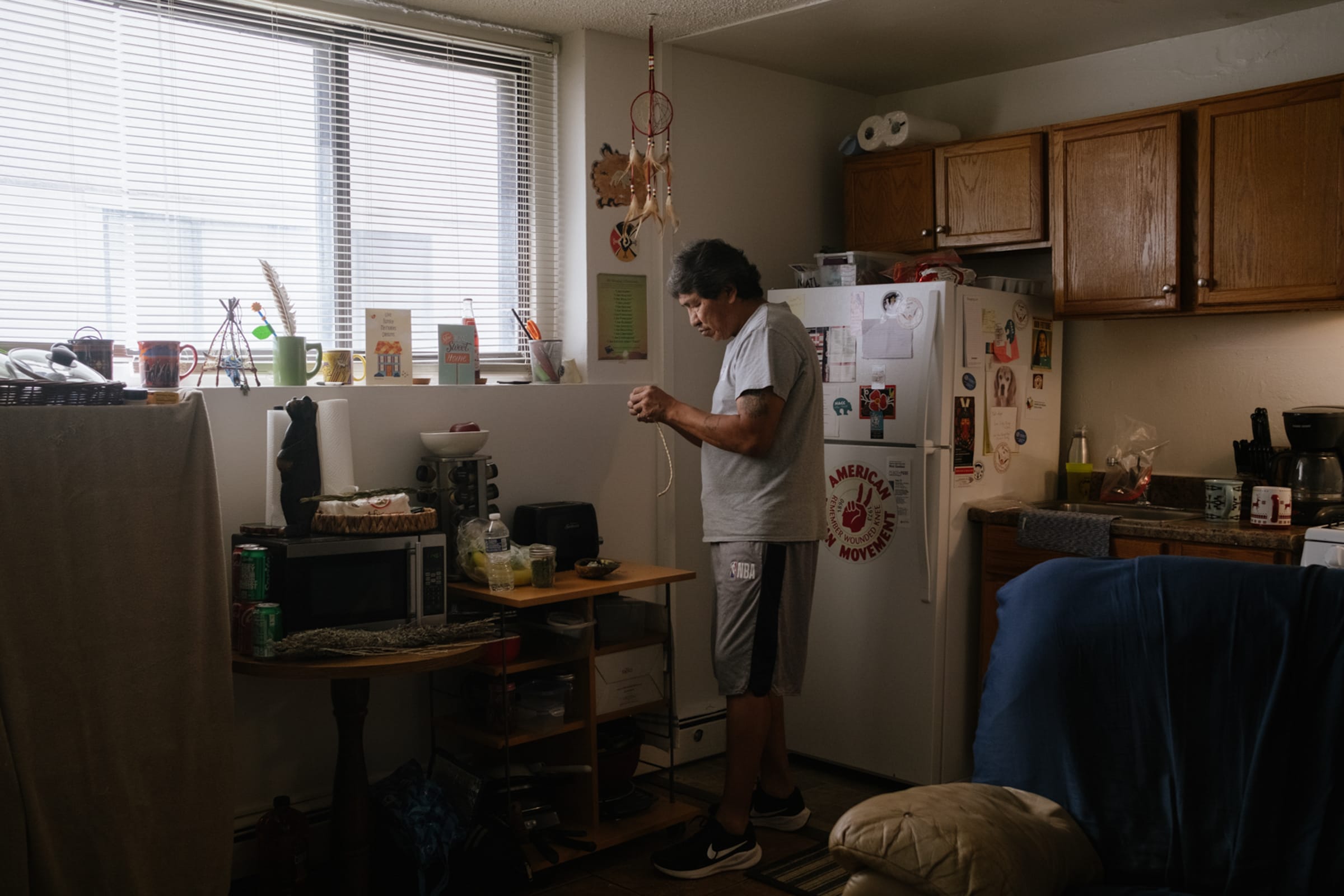
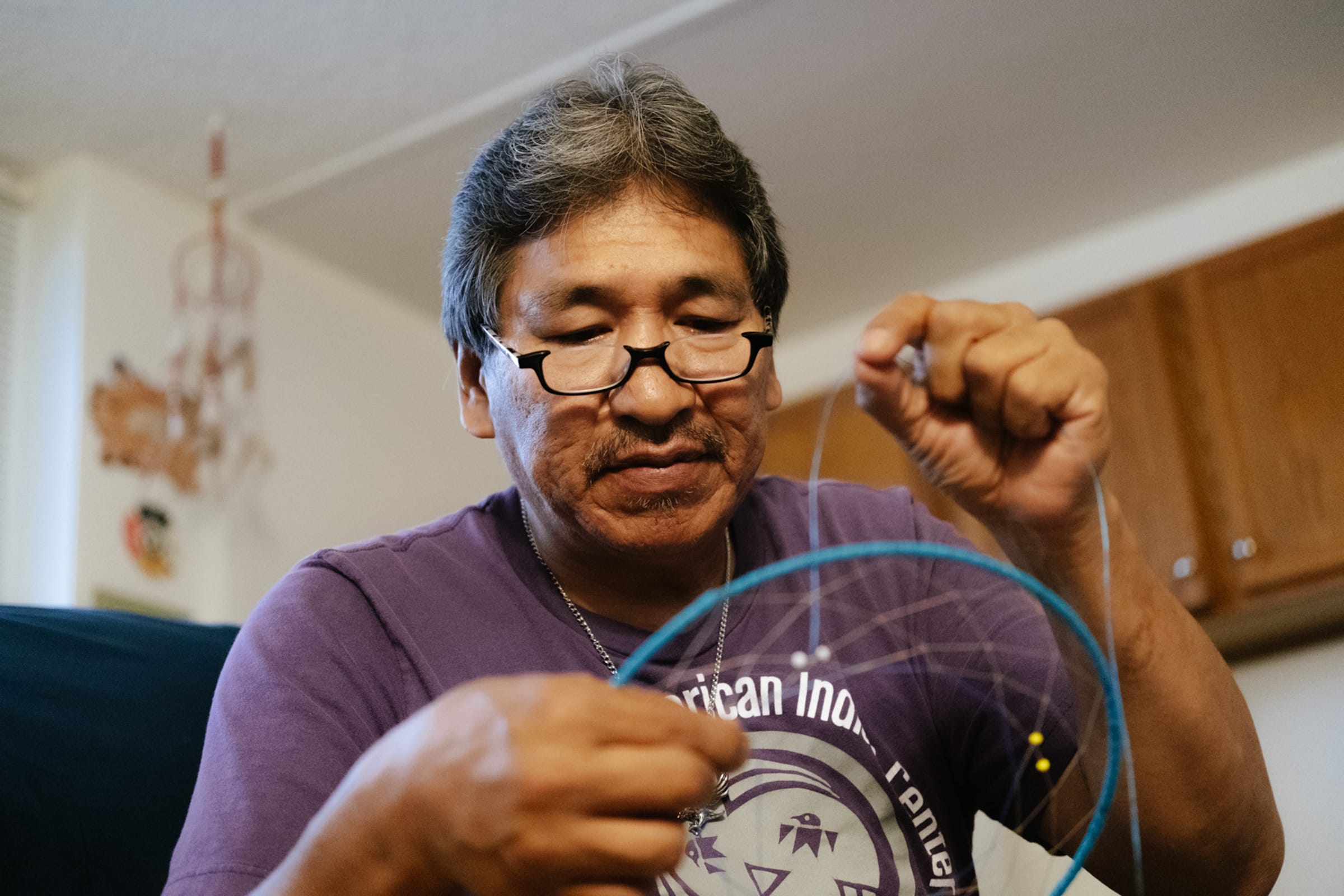
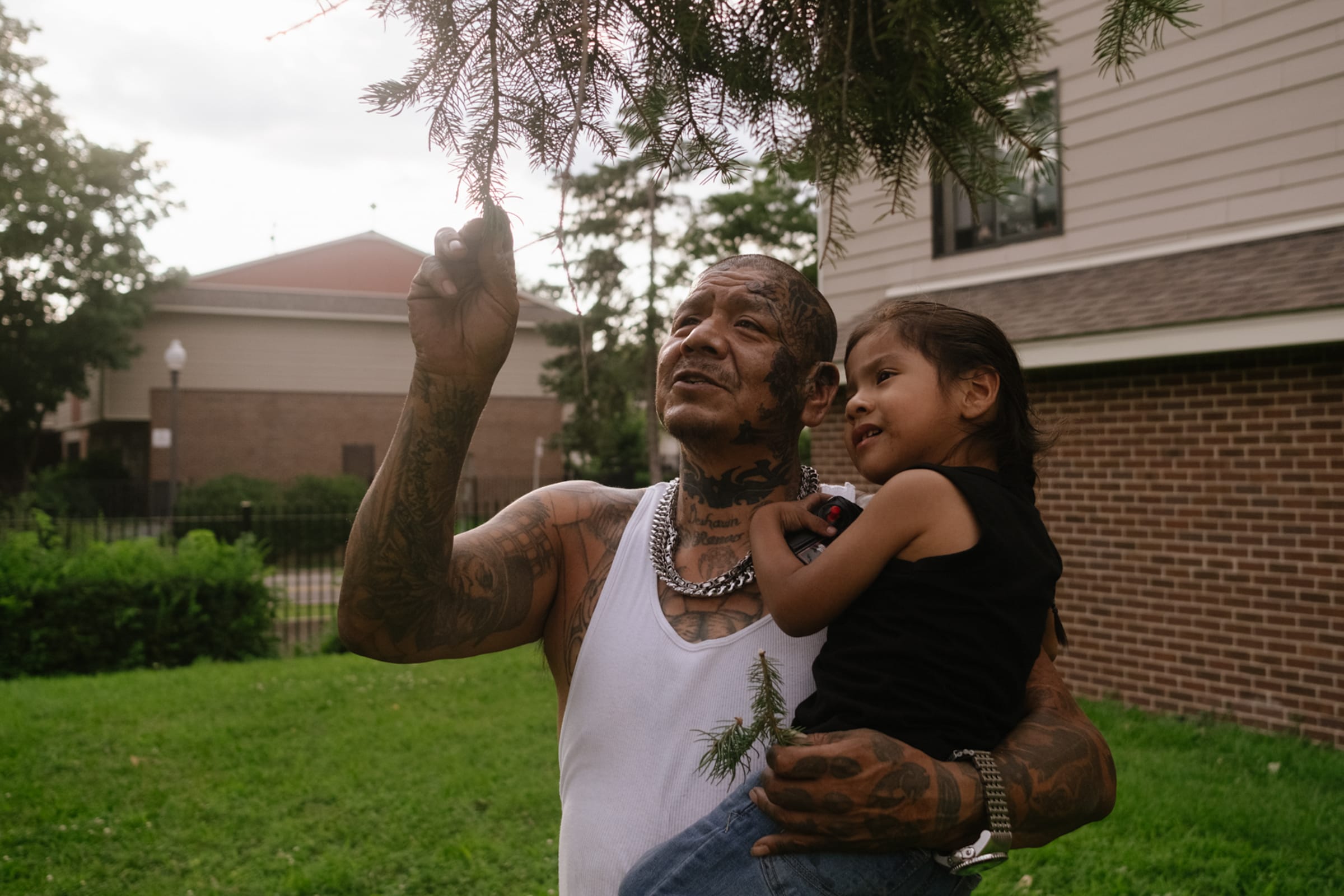
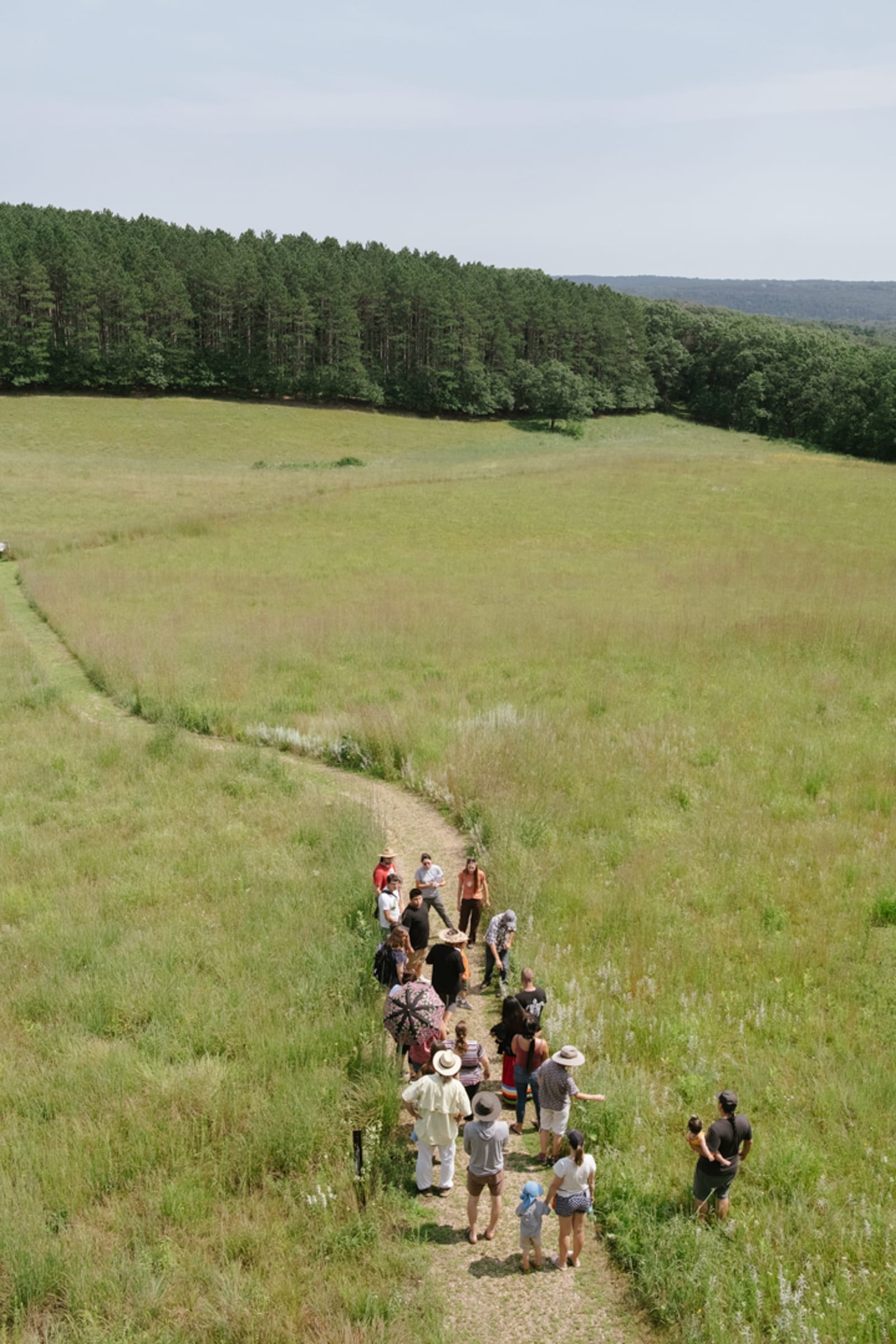
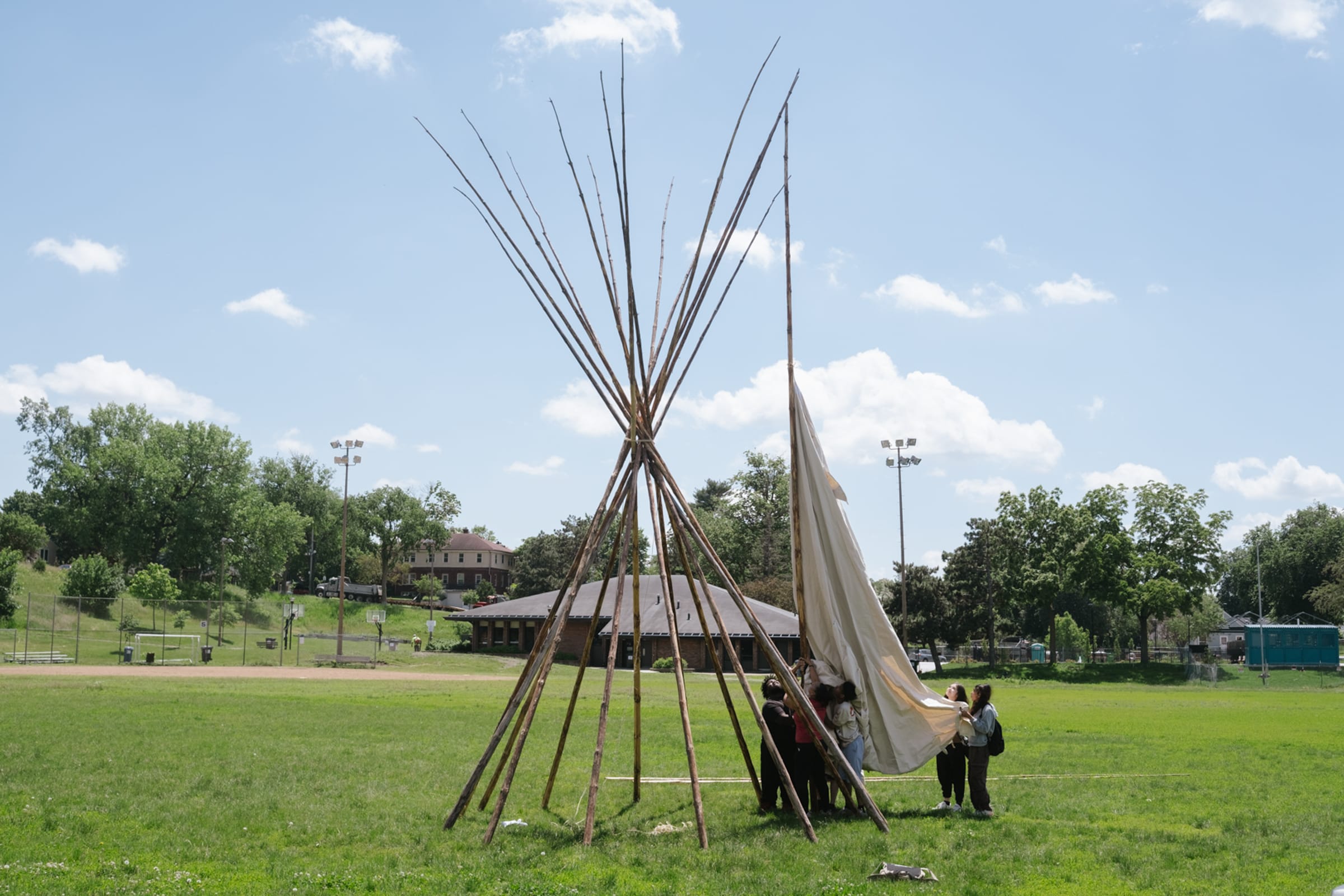
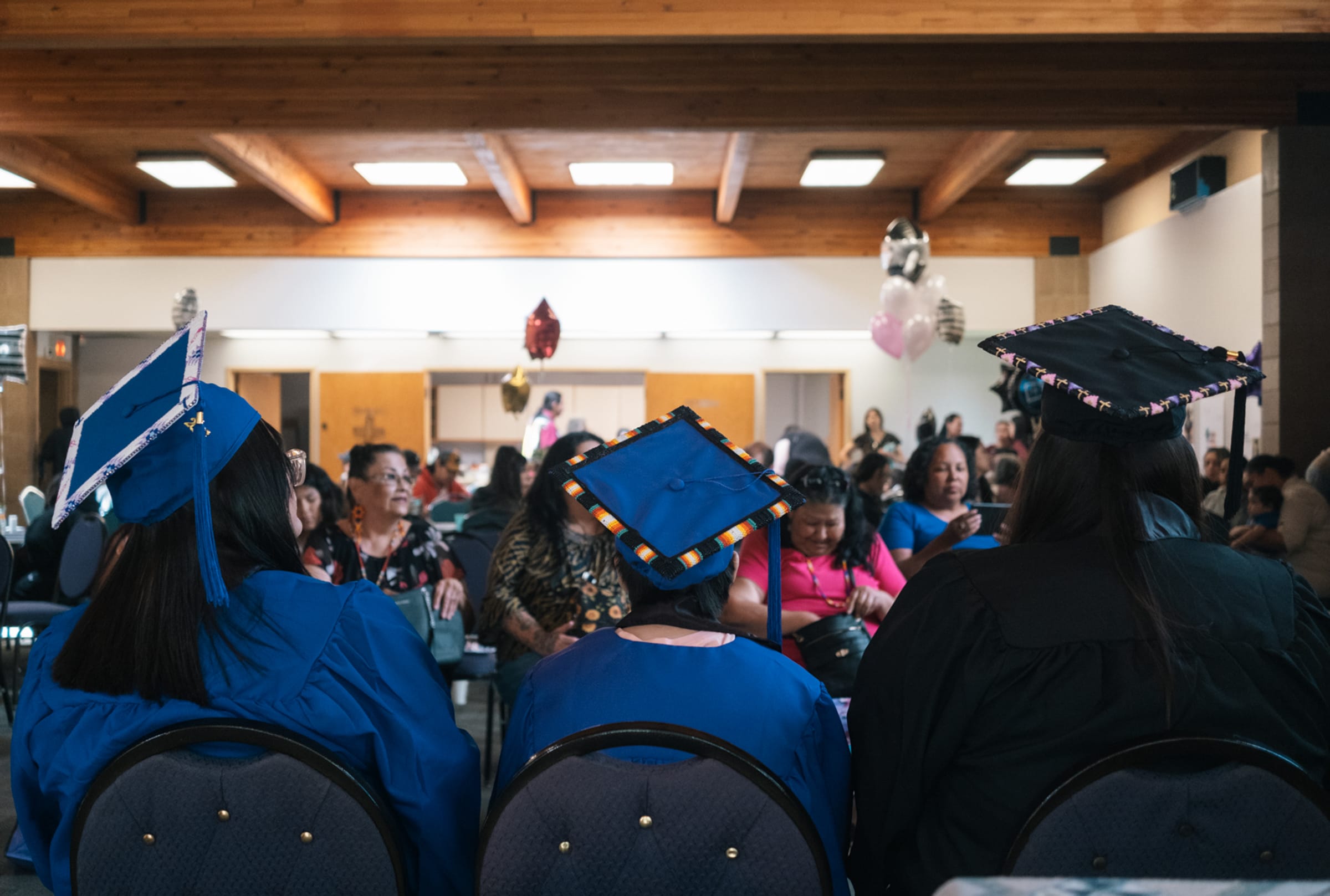
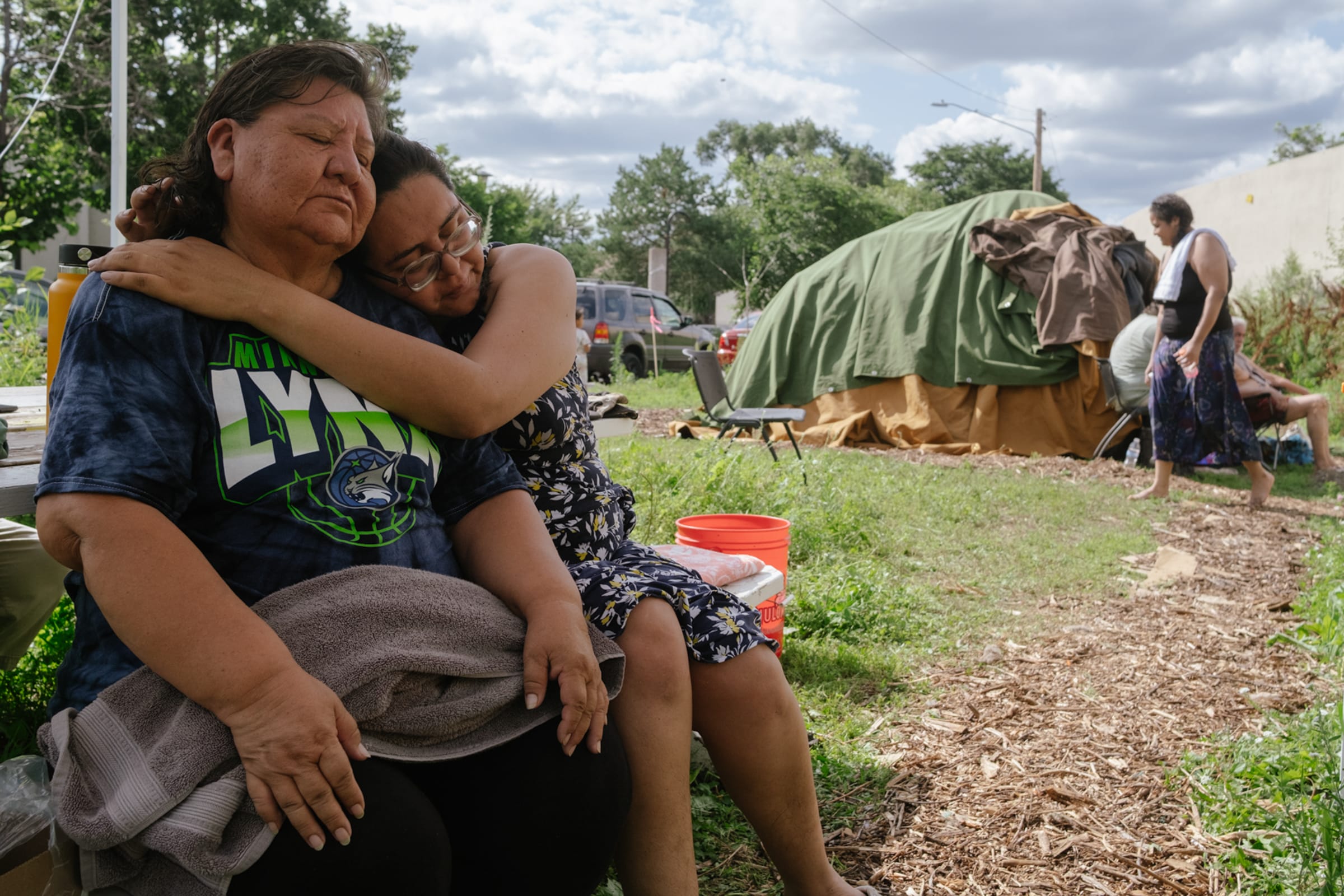
In the 19th century, Native Americans created a food called frybread using the meager rations provided by the US government. By creating a more filling dish when food was scarce, they increased their chances of surviving their persecution. While each tribe developed its own unique recipe, over time, all frybread became synonymous with survival and resilience. Over 100 miles from the nearest reservation, centuries of oppression have manifested in the Native communities in Minneapolis and St. Paul, leading to high levels of addiction and violence. As the birthplace of the American Indian Movement (AIM), the city’s American Indian Cultural Corridor has been a focal point for Indigenous people working to overcome these forces for decades. The Cultural Corridor, and more specifically Little Earth of United Tribes, a low-income housing community in the East Phillips neighborhood of south Minneapolis, serves as a microcosm of the obstacles facing Natives across the nation. Meanwhile, Little Earth also serves as an example of how Natives are pushing back. Familiar with overdoses, high crime rates and low graduation rates, its residents have turned to tradition, spirituality and community to not only survive but to live.






About the photographer